Unlocking Federal Education Grants: 2025 Guide for US Educators

Securing federal education grants in 2025 requires a strategic approach to identify eligible programs, understand application requirements, and develop compelling proposals for US educators and institutions.
Are you a US educator or institution seeking to enhance learning opportunities and drive innovation? Navigating the landscape of federal funding can seem daunting, but securing
federal education grants in 2025 is a powerful way to achieve these goals. This guide will illuminate the path, offering practical insights and actionable strategies to help you unlock crucial financial support.
Understanding the Federal Grant Landscape for 2025
The federal government remains a significant source of funding for educational initiatives across the United States. These grants aim to address critical needs, promote equity, foster innovation, and improve educational outcomes from early childhood through higher education. For 2025, specific priorities may shift, but the overarching commitment to supporting quality education persists.
Understanding the various agencies involved and their respective focuses is the first step toward successful grant acquisition. Each agency has unique mandates and funding streams, making targeted research essential for identifying the most suitable opportunities for your institution or project.
Key Federal Agencies and Their Missions
Several federal departments play pivotal roles in distributing education grants. Knowing their primary objectives helps in aligning your proposals with their strategic goals.
- U.S. Department of Education (ED): The primary federal agency for education, ED offers a vast array of grants supporting K-12, higher education, and special education initiatives. Their programs often focus on improving academic achievement, ensuring equal access, and promoting educational excellence.
- National Science Foundation (NSF): While known for scientific research, NSF also funds education programs, particularly those aimed at improving STEM (Science, Technology, Engineering, and Mathematics) education at all levels. Their grants often support innovative curricula, teacher professional development, and informal STEM learning.
- Department of Health and Human Services (HHS): HHS provides grants with an educational component, especially those related to early childhood development (e.g., Head Start), health education, and programs for vulnerable populations. These grants often integrate health and educational outcomes.
Beyond these major players, other agencies like the Department of Labor or the National Endowment for the Humanities may offer specialized grants that align with specific educational projects, particularly those focused on workforce development or cultural enrichment.
In conclusion, a thorough understanding of the federal grant landscape, including the missions and priorities of key agencies, is fundamental for any US educator or institution aiming to secure federal funding in 2025. This foundational knowledge allows for a more targeted and effective approach to identifying and pursuing relevant grant opportunities.
Identifying Eligible Grant Opportunities for Your Institution
Once you have a general understanding of the federal grant landscape, the next crucial step is to pinpoint specific grant opportunities that align with your institution’s mission, capacity, and project goals. This process requires diligent research and a clear understanding of your own needs.
Grant opportunities are dynamic, with new programs emerging and existing ones evolving. Staying informed about current funding priorities and upcoming solicitations is key to maximizing your chances of success. Proactive searching is far more effective than waiting for opportunities to present themselves.
Navigating Grant Portals and Databases
The primary hub for federal grant information is Grants.gov, a comprehensive database that lists all discretionary funding opportunities from various federal agencies. Learning to effectively navigate this portal is indispensable for any grant seeker.
- Grants.gov: This website is the central repository for federal grant opportunities. It allows users to search by keyword, agency, category, and eligibility. Regularly checking for new postings and subscribing to email alerts relevant to your field can keep you abreast of emerging grants.
- Agency-Specific Websites: While Grants.gov aggregates opportunities, it’s also beneficial to visit the websites of specific agencies (e.g., ED.gov, NSF.gov) directly. These sites often provide more detailed information, resources, and sometimes even pre-announcements of upcoming funding.
- Professional Organizations: Many educational professional organizations (e.g., National Education Association, Council for Exceptional Children) track and disseminate information about relevant federal grants. Membership can provide access to curated lists and expert advice.
Beyond simply finding grants, it’s critical to carefully review the Notice of Funding Opportunity (NOFO) or Program Announcement (PA) for each potential grant. These documents contain vital information, including eligibility criteria, funding priorities, allowable activities, and specific application instructions. Misinterpreting these details can lead to disqualification.
In summary, identifying eligible federal education grants for 2025 involves a systematic approach to searching through official portals and agency websites, coupled with a thorough review of each opportunity’s specific requirements. This meticulous process ensures that your efforts are directed towards grants that genuinely fit your institutional profile and project aims.
Crafting a Winning Grant Proposal: Key Components
Once you’ve identified a promising federal education grant, the real work begins: crafting a compelling proposal. A winning proposal is more than just a request for money; it’s a persuasive argument that demonstrates your institution’s capacity, the project’s significance, and its potential for impact.
Federal grant applications are typically rigorous and require adherence to strict guidelines. A well-structured, clearly written, and evidence-based proposal is essential for standing out in a competitive field. Attention to detail and alignment with the funder’s priorities are paramount.
Elements of a Strong Grant Proposal
While specific requirements vary by grant, most federal education grant proposals share common components that must be addressed thoroughly. Each section serves a distinct purpose in building a comprehensive case for funding.
- Executive Summary: A concise overview of the entire proposal, highlighting the problem, proposed solution, expected outcomes, and funding request. It should capture the reviewer’s interest and summarize the project’s essence.
- Statement of Need: This section articulates the problem your project aims to address, supported by relevant data, research, and local context. It establishes the urgency and importance of your proposed work.
- Project Description/Goals and Objectives: Detail your proposed activities, methodology, and the specific, measurable, achievable, relevant, and time-bound (SMART) goals and objectives your project will accomplish. This is the core of your proposal, explaining what you will do and how.
- Evaluation Plan: Outline how you will measure the project’s success and impact. This includes specifying data collection methods, indicators, and how results will be used to improve the program and report to the funder.
- Budget and Budget Justification: A detailed breakdown of all project costs, clearly linking each expense to project activities. The justification explains why each item is necessary and how the costs are reasonable and allocable.
- Organizational Capacity/Personnel: Demonstrate your institution’s ability to successfully implement the project, highlighting relevant experience, resources, and the qualifications of key personnel.
Reviewers often use a scoring rubric provided in the NOFO. Understanding this rubric and ensuring that every section of your proposal directly addresses the scoring criteria is a strategic advantage. It allows you to tailor your narrative to what the funding agency values most.
In conclusion, crafting a winning federal education grant proposal for 2025 demands meticulous attention to each component. By clearly articulating the need, presenting a robust project plan, demonstrating evaluative rigor, and justifying all expenditures, educators and institutions can significantly increase their chances of securing vital funding.
Navigating the Application Process and Submission
The application process for federal education grants is often complex, involving multiple steps and strict deadlines. Successfully navigating this process requires careful planning, attention to detail, and a thorough understanding of submission protocols. Errors or omissions can lead to disqualification, regardless of the proposal’s quality.
Starting early is perhaps the most critical advice. Federal grant applications are rarely simple, and gathering all necessary documentation, securing institutional approvals, and writing a polished proposal takes considerable time. Rushing the process increases the likelihood of mistakes.
Key Steps in the Application and Submission Process
Most federal grant applications follow a similar trajectory, though specific requirements will vary. Familiarity with these common steps can help streamline your efforts.
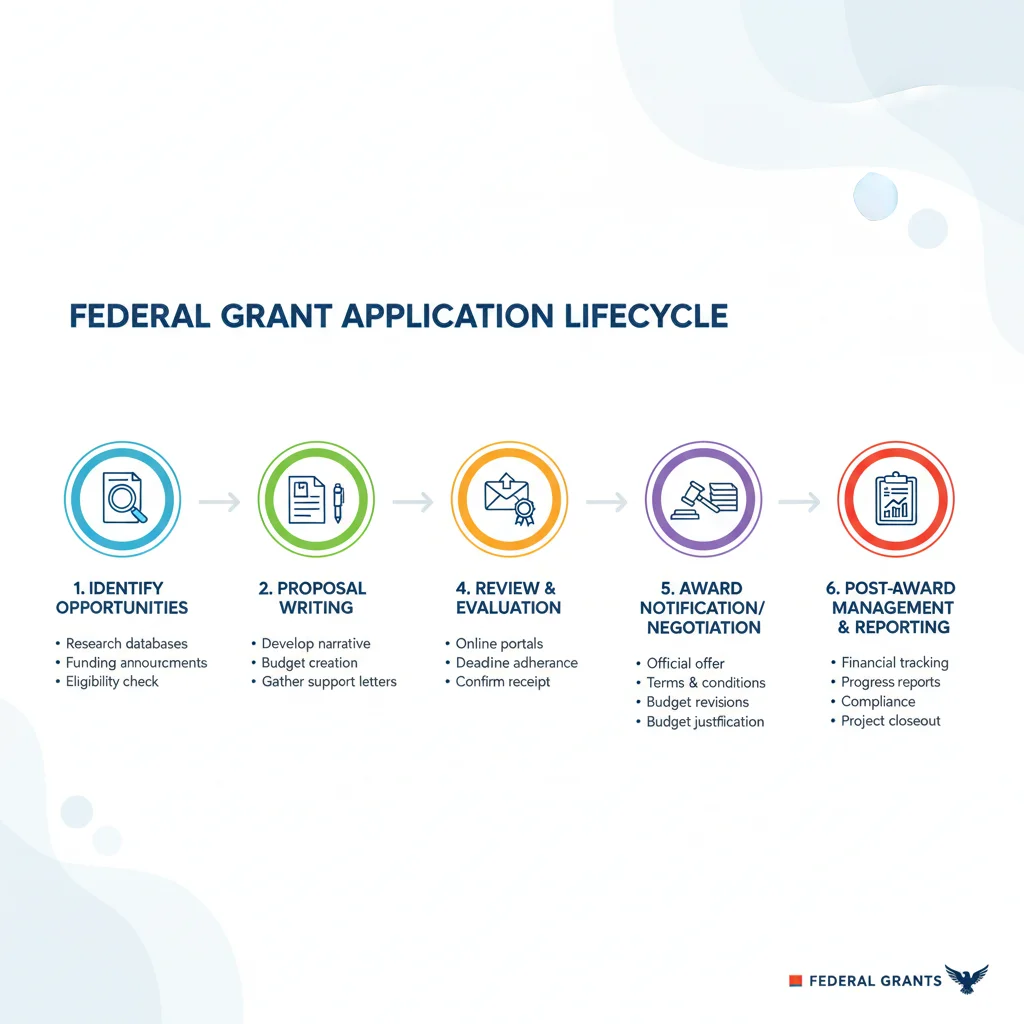
- Registration: Ensure your institution is properly registered with all required federal systems, such as the System for Award Management (SAM.gov) and Grants.gov. These registrations must be active and up-to-date, a process that can take several weeks.
- Read the NOFO Carefully: This cannot be stressed enough. Every detail, from page limits to formatting requirements to specific attachments, must be followed precisely. Use the checklist provided in the NOFO, if available.
- Develop a Timeline: Break down the application process into manageable tasks with internal deadlines. Include time for writing, internal review, budget development, securing letters of support, and institutional sign-offs.
- Collaborate Internally: Engage relevant departments, faculty, and administrative staff early in the process. This includes your institution’s sponsored research office, finance department, and any potential project partners.
- Technical Review: Before final submission, have someone thoroughly review the entire application for technical compliance, grammar, spelling, and clarity. A fresh pair of eyes can catch errors you might have missed.
- Submit Early: Do not wait until the last minute. Technical glitches with online submission systems are not uncommon. Submitting at least 24-48 hours before the deadline provides a buffer for any unforeseen issues.
Many federal agencies offer webinars or applicant assistance calls before the deadline. Participating in these can provide valuable clarifications and insights directly from the grant program officers. These opportunities are often underutilized but can significantly enhance your understanding of the grant’s nuances.
In conclusion, the application and submission phase for federal education grants in 2025 demands meticulous organization and adherence to guidelines. By registering early, creating a detailed timeline, fostering internal collaboration, and submitting well in advance, educators and institutions can navigate this critical stage with greater confidence and success.
Post-Award Management and Compliance
Securing a federal education grant is a significant achievement, but the work doesn’t end there. Post-award management and compliance are equally critical aspects of grant stewardship. Federal grants come with stringent reporting requirements, financial regulations, and programmatic expectations that must be met to ensure continued funding and maintain a good standing with federal agencies.
Effective post-award management ensures that the project is implemented as proposed, funds are spent appropriately, and all reporting obligations are fulfilled. Failure to comply can lead to serious consequences, including repayment of funds, future disqualification from grants, and reputational damage.
Key Aspects of Grant Management
Successful management of a federal education grant involves several interconnected areas, requiring ongoing attention and coordination.
- Financial Management: Establish robust accounting systems to track all grant expenditures, ensuring they are allowable, allocable, and reasonable according to federal cost principles (e.g., Uniform Guidance). Maintain detailed records for auditing purposes.
- Programmatic Oversight: Continuously monitor project activities to ensure they align with the approved proposal’s goals and objectives. Any significant deviations typically require prior approval from the funding agency.
- Reporting: Adhere strictly to all reporting deadlines and requirements. This usually includes periodic financial reports (e.g., SF-425) and programmatic progress reports, detailing accomplishments, challenges, and next steps. Final reports are also mandatory.
- Record Keeping: Maintain comprehensive documentation for all aspects of the grant, including correspondence with the funding agency, personnel records, procurement documents, and evaluation data. Federal regulations often specify retention periods for these records.
- Audits and Monitoring: Be prepared for potential audits or monitoring visits from the funding agency or other federal entities. Proactive compliance and well-organized records will facilitate a smooth review process.
Many institutions have a dedicated sponsored research or grants management office that can provide invaluable support in navigating post-award compliance. Leveraging their expertise is highly recommended, especially for institutions new to managing federal funds. They can assist with interpreting regulations, preparing reports, and ensuring institutional policies align with federal requirements.
In conclusion, effective post-award management is crucial for the successful execution of federal education grants in 2025. By prioritizing financial accountability, programmatic integrity, timely reporting, and thorough record-keeping, US educators and institutions can demonstrate responsible stewardship and build a strong foundation for future funding opportunities.
Strategic Planning for Future Grant Success
Securing a federal education grant is not a one-time event but rather a continuous cycle of planning, application, and stewardship. For US educators and institutions, developing a long-term strategic approach to grant seeking can lead to sustained funding and greater impact over time.
Strategic planning involves not just reacting to available grants but proactively identifying institutional needs, building capacity, and cultivating relationships that can enhance future funding prospects. It’s about creating a culture of grant readiness within your organization.
Building Capacity and Relationships
Several key strategies can contribute to long-term success in securing federal education grants.
- Needs Assessment: Regularly conduct thorough needs assessments to identify critical areas where federal funding could make a significant difference. This ensures that your grant proposals are addressing genuine, well-documented needs.
- Data Collection and Evaluation: Invest in robust data collection and evaluation systems. Strong data supporting the need for your project and demonstrating the impact of previous initiatives significantly strengthens future proposals.
- Grant Writing Training: Provide ongoing professional development opportunities for staff in grant writing, project management, and federal compliance. A skilled team is an invaluable asset.
- Cultivate Partnerships: Federal grants often favor collaborative projects. Forge strong partnerships with other educational institutions, community organizations, and relevant stakeholders. These collaborations can bring diverse perspectives, resources, and expertise to your proposals.
- Build Relationships with Program Officers: Where appropriate and allowed by agency guidelines, engage with federal program officers. Their insights can be invaluable in understanding funding priorities and tailoring future proposals.
- Continuous Improvement: Review both successful and unsuccessful grant applications. Learn from feedback, refine your processes, and continuously seek ways to improve your proposals and project implementation.
Creating a centralized grants office or assigning a dedicated grants coordinator can also streamline efforts, ensure consistency, and provide institutional memory, preventing the loss of valuable knowledge when staff changes occur. This centralized approach can significantly enhance an institution’s overall grant-seeking effectiveness.
In conclusion, strategic planning for future grant success involves a holistic approach that builds institutional capacity, fosters strong partnerships, and prioritizes continuous learning. For US educators and institutions, this proactive stance is key to consistently unlocking federal education grants beyond 2025 and achieving lasting educational impact.
Common Challenges and How to Overcome Them
While the pursuit of federal education grants offers immense opportunities, it is not without its challenges. Grant seekers often face hurdles ranging from intense competition and complex application processes to stringent compliance requirements. Recognizing these common obstacles is the first step toward developing effective strategies to overcome them.
Many institutions, especially smaller ones or those with limited grant-seeking experience, can feel overwhelmed by the resources and expertise required. However, with careful planning and a strategic approach, these challenges can be mitigated, and success can be achieved.
Strategies for Addressing Grant-Seeking Obstacles
Proactive measures and a resilient mindset are crucial when confronting the difficulties inherent in federal grant applications.
- High Competition: Federal grants are highly sought after. To stand out, focus on developing truly innovative projects that address critical, unmet needs, and clearly align with the funding agency’s specific priorities. Evidence-based practices and strong evaluation plans are also differentiators.
- Complex Application Guidelines: Break down the NOFO into smaller, manageable sections. Create checklists and assign responsibilities to different team members. Consider attending agency-sponsored webinars or seeking assistance from experienced grant consultants or your institution’s sponsored research office.
- Limited Resources/Staff Capacity: Explore opportunities for collaboration with other institutions or community partners to share resources and expertise. Invest in training for existing staff or consider hiring part-time grant support if feasible. Prioritize which grants to pursue based on alignment and likelihood of success.
- Developing a Strong Budget: Work closely with financial staff to create a realistic and well-justified budget that adheres to federal cost principles. Ensure every line item is clearly tied to project activities and necessary for achieving goals. Don’t underestimate indirect costs.
- Data and Evaluation Expertise: If your institution lacks internal evaluation capacity, seek partnerships with university evaluation centers or independent evaluators. A robust evaluation plan is often a critical scoring factor.
- Post-Award Compliance Burden: Establish clear internal policies and procedures for financial tracking, reporting, and record-keeping from the outset. Designate a specific individual or office responsible for compliance oversight and provide them with necessary training and resources.
It is also important to view unsuccessful applications not as failures, but as learning opportunities. Request feedback from the funding agency whenever possible, and use this feedback to refine future proposals. Persistence and continuous improvement are hallmarks of successful grant seekers.
In conclusion, while challenges are inherent in the process of securing federal education grants for 2025, US educators and institutions can overcome them through strategic planning, resourcefulness, and a commitment to continuous improvement. By anticipating obstacles and developing proactive solutions, the path to federal funding becomes more navigable and rewarding.
| Key Aspect | Brief Description |
|---|---|
| Grant Identification | Researching and matching institutional needs with federal funding priorities on platforms like Grants.gov. |
| Proposal Development | Crafting a clear, evidence-based proposal with strong problem statements, methodology, and evaluation plans. |
| Application & Submission | Navigating federal portals, adhering to deadlines, and ensuring technical compliance for successful submission. |
| Post-Award Compliance | Managing funds, reporting progress, and adhering to federal regulations to ensure project integrity and accountability. |
Frequently Asked Questions About Federal Education Grants
The main source is Grants.gov, which lists all discretionary funding opportunities from federal agencies. Additionally, checking agency-specific websites like the U.S. Department of Education and the National Science Foundation can provide more targeted information and resources.
Institutional registration is critically important. Your organization must be registered with federal systems such as SAM.gov and Grants.gov, and these registrations must be active. This process can take several weeks, so it’s essential to complete it well in advance of any application deadline.
A strong proposal typically includes an executive summary, a clear statement of need, a detailed project description with SMART goals, a robust evaluation plan, a well-justified budget, and demonstration of organizational capacity. Each section must align with the funder’s priorities.
Common reasons for rejection include not following guidelines precisely, a weak statement of need, an unclear project plan, an unrealistic budget, lack of alignment with funder priorities, and insufficient evaluation methods. Technical errors during submission can also lead to disqualification.
Post-award responsibilities include rigorous financial management, programmatic oversight to ensure adherence to the proposed plan, timely submission of financial and progress reports, and meticulous record-keeping for audit purposes. Compliance with federal regulations is paramount.
Conclusion
Successfully navigating the complex world of federal education grants in 2025 is an endeavor that requires dedication, strategic planning, and meticulous execution. For US educators and institutions, the opportunities for transformative impact through federal funding are substantial. By thoroughly understanding the grant landscape, diligently identifying eligible programs, crafting compelling proposals, adhering strictly to application protocols, and ensuring robust post-award compliance, organizations can unlock vital resources. The journey from identifying a need to securing and managing a grant is challenging but ultimately rewarding, enabling the advancement of educational excellence and equity across the nation. Embracing a proactive and informed approach will undoubtedly pave the way for continued success in securing these invaluable federal education grants.