AI’s Impact on K-12 Curriculum: 3 Essential Shifts for US Schools by 2025
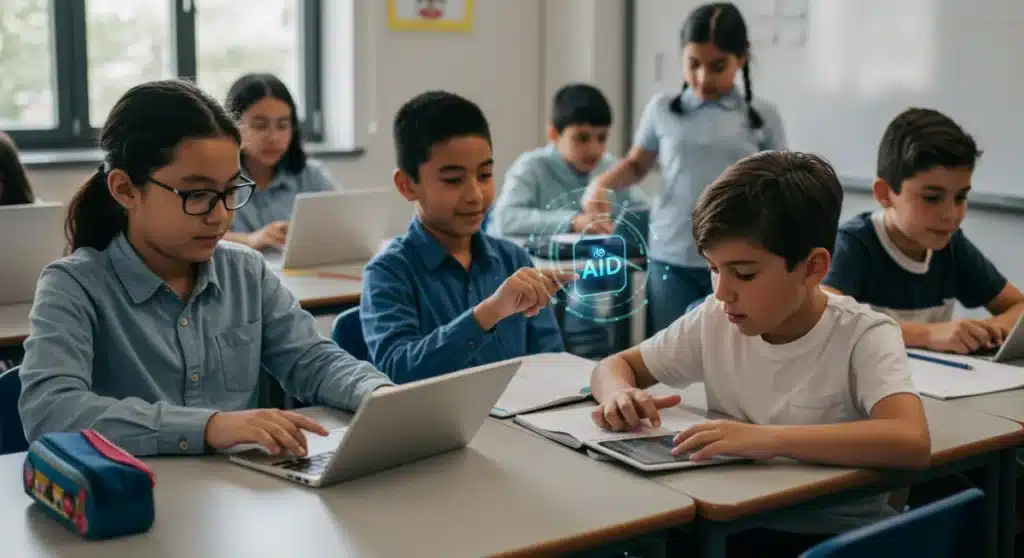
By 2025, artificial intelligence will fundamentally reshape K-12 education in the US, necessitating three essential shifts: personalized learning pathways, data-informed instructional design, and a strong emphasis on developing future-ready skills for students.
The landscape of education is on the cusp of a profound transformation, driven largely by the rapid advancements in artificial intelligence. As we approach 2025, the conversation around The Impact of AI on K-12 Curriculum: 3 Essential Shifts for US Schools by 2025 is no longer theoretical but an urgent call to action. How will AI redefine what and how our children learn, preparing them for a world that is constantly evolving?
The Dawn of Personalized Learning Pathways
One of the most significant promises of AI in education is its ability to tailor learning experiences to individual student needs. Traditional one-size-fits-all models often leave some students behind while others are held back. AI offers a powerful solution by creating dynamic, adaptive learning paths.
This shift isn’t just about providing different content; it’s about understanding each student’s unique learning style, pace, and areas of challenge. AI algorithms can analyze performance data in real-time, identifying strengths and weaknesses, and then recommend resources, exercises, or interventions that are precisely suited to that student. This level of customization was once an aspirational goal, but with AI, it is rapidly becoming an achievable reality for K-12 education.
Adaptive Content Delivery
AI-powered platforms can dynamically adjust the difficulty and type of content presented to a student. If a student masters a concept quickly, the system can introduce more advanced material. Conversely, if a student struggles, the AI can offer additional support through different explanations, examples, or interactive tutorials.
- Tailored Pace: Students progress at their optimal speed, reducing frustration for slower learners and boredom for advanced ones.
- Diverse Formats: AI can suggest content in various formats—videos, interactive simulations, text—to match individual preferences.
- Immediate Feedback: Students receive instant feedback on their work, allowing for immediate correction and understanding.
The impact of personalized learning extends beyond academic performance. It fosters a sense of agency and engagement in students, as they feel understood and supported in their learning journey. This approach not only improves outcomes but also cultivates a lifelong love for learning, a critical skill in an ever-changing world.
Data-Driven Instructional Design and Teacher Empowerment
The second essential shift involves leveraging AI to provide educators with unprecedented insights into student learning, transforming instructional design. AI tools can collect and analyze vast amounts of data on student interactions, performance, and engagement, offering teachers a granular view of their classroom’s progress.
This isn’t about replacing teachers; it’s about empowering them with sophisticated tools that free them from administrative burdens and inform their pedagogical decisions. Teachers can then focus more on complex problem-solving, fostering critical thinking, and providing socio-emotional support, areas where human connection remains irreplaceable.
Actionable Insights for Educators
AI can process data much faster and more comprehensively than any human, identifying patterns and trends that might otherwise go unnoticed. This data can pinpoint common misconceptions across a class, highlight individual students who need extra attention, or even suggest effective teaching strategies based on previous successes.
- Early Intervention: AI can flag students at risk of falling behind, allowing teachers to intervene proactively.
- Curriculum Optimization: Data can inform adjustments to curriculum materials, ensuring they are effective and relevant.
- Professional Development: Insights into teaching effectiveness can guide targeted professional development for educators.
With AI handling the heavy lifting of data analysis, teachers gain more time for direct student interaction, lesson planning, and creative instruction. This shift moves educators from data collectors to data interpreters and strategic facilitators of learning, enhancing their professional impact and job satisfaction. The goal is to augment human intelligence, not to diminish it, by providing powerful analytical capabilities previously unavailable.
Cultivating Future-Ready Skills for the AI Era
The third critical shift addresses the need to equip K-12 students with the skills necessary to thrive in a world increasingly shaped by AI. As AI automates routine tasks, human skills like critical thinking, creativity, complex problem-solving, collaboration, and emotional intelligence become paramount. The curriculum must evolve to explicitly foster these competencies.
This means moving beyond rote memorization and towards project-based learning, inquiry-based approaches, and interdisciplinary studies that encourage students to apply knowledge in novel situations. Schools must also integrate foundational AI literacy, not just as a technical skill, but as a critical understanding of how AI impacts society and ethics.
Rethinking Core Competencies
The traditional focus on memorization and standardized testing often falls short in preparing students for the demands of the modern workforce and global citizenship. AI necessitates a curriculum that prioritizes adaptability and the ability to learn continuously.
- Critical Thinking: Developing the capacity to evaluate information, identify biases, and form reasoned judgments.
- Creativity and Innovation: Encouraging divergent thinking and the ability to generate new ideas and solutions.
- Digital Literacy and Ethics: Understanding AI’s capabilities, limitations, and the ethical implications of its use.
Furthermore, collaboration and communication skills become even more vital as AI facilitates global connectivity. Students will need to work effectively in diverse teams, utilizing AI as a tool to enhance their collective intelligence. The curriculum must therefore embed opportunities for collaborative projects and discussions about AI’s societal role, fostering responsible and informed digital citizens.
Addressing Challenges and Ensuring Equitable Access
While the benefits of AI in K-12 education are substantial, the implementation of these shifts is not without its challenges. Ensuring equitable access to AI technologies and high-quality digital infrastructure across all US schools is paramount. The digital divide, if left unaddressed, could exacerbate existing educational inequalities.
Funding for technology, professional development for teachers, and robust technical support systems are crucial for successful integration. Moreover, developing ethical guidelines for AI use in education, particularly regarding student data privacy and algorithmic bias, is essential to build trust and ensure responsible deployment. These considerations must be at the forefront of any AI adoption strategy to ensure that the transformative potential of AI benefits all students, regardless of their socioeconomic background or geographic location. Without thoughtful planning and investment, the promise of AI could inadvertently widen the gaps it aims to bridge.
Teacher Training and Professional Development
The successful integration of AI into the K-12 curriculum hinges significantly on the preparedness of educators. Teachers need comprehensive training not only on how to use AI tools effectively but also on how to leverage AI to enhance their pedagogical practices and foster future-ready skills in students. This extends beyond technical proficiency to include understanding the ethical implications of AI and how to guide students in navigating an AI-driven world.
Professional development programs must be ongoing, adaptive, and tailored to the diverse needs of educators. This includes workshops on AI-powered learning platforms, strategies for interpreting AI-generated data, and methods for designing project-based learning experiences that cultivate critical thinking and creativity. Equipping teachers with the necessary knowledge and skills will empower them to be facilitators of AI-enhanced learning environments, rather than simply users of new technology. Their role evolves to guide students through complex material, provide personalized support, and nurture socio-emotional development.
Curriculum Evolution and Iterative Design
The K-12 curriculum cannot remain static in the face of AI’s rapid evolution. It requires a dynamic, iterative design approach that allows for continuous adaptation and improvement. This means moving away from rigid, multi-year curriculum cycles towards more agile models that can incorporate new AI tools, emerging skills, and evolving societal needs.
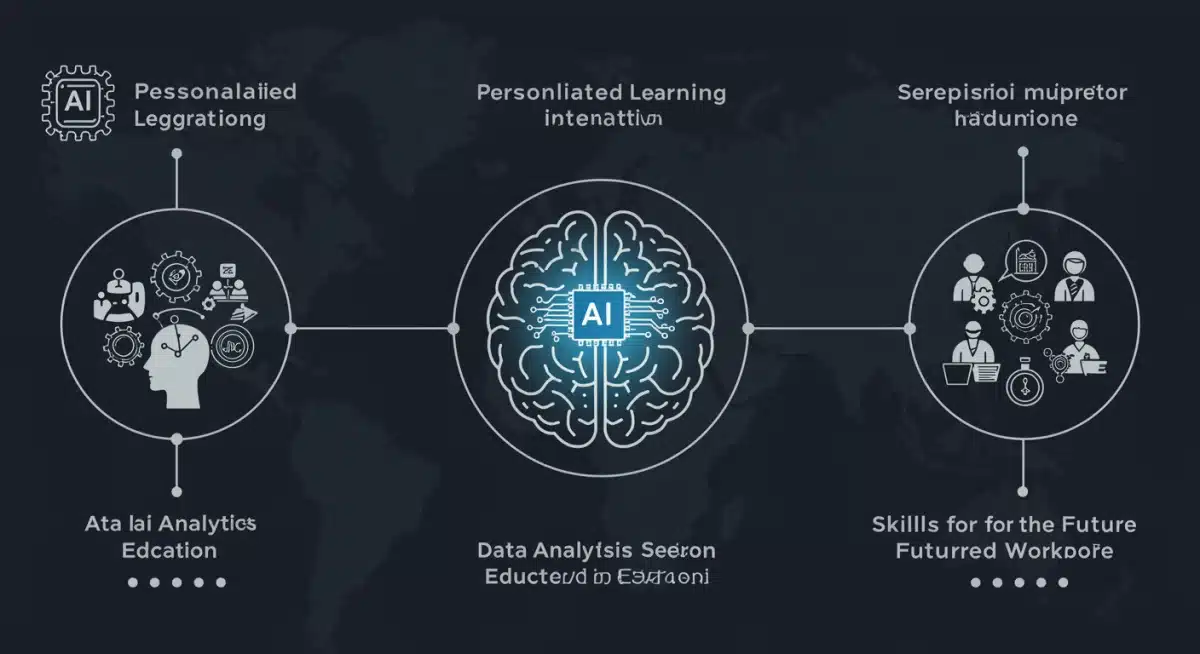
Curriculum developers and educators must collaborate to assess the effectiveness of AI integration, gather feedback from students and teachers, and refine learning objectives accordingly. This iterative process ensures that the curriculum remains relevant, engaging, and effective in preparing students for the future. It also encourages a culture of innovation within schools, where experimentation and continuous learning are valued. Furthermore, the curriculum should integrate AI literacy as a cross-cutting theme, allowing students to understand AI’s principles, applications, and ethical considerations across various subjects, not just in dedicated technology classes.
| Key Shift | Brief Description |
|---|---|
| Personalized Learning | AI tailors educational content and pace to individual student needs, optimizing engagement and outcomes. |
| Data-Driven Instruction | AI provides educators with actionable insights on student performance, empowering more effective teaching strategies. |
| Future-Ready Skills | Curriculum evolves to emphasize critical thinking, creativity, and AI literacy for the demands of the modern world. |
| Equitable Access | Ensuring all students have access to AI tools and digital infrastructure to prevent widening educational disparities. |
Frequently Asked Questions About AI in K-12 Education
AI can analyze student performance and learning styles in real-time, then adapt content, pace, and resources to individual needs. This ensures each student receives targeted support and appropriate challenges, optimizing their learning experience and engagement.
Teachers will evolve from information disseminators to facilitators and mentors. AI will handle routine tasks and data analysis, freeing teachers to focus on complex problem-solving, socio-emotional development, and fostering critical thinking skills in students.
Future-ready skills include critical thinking, creativity, collaboration, and ethical reasoning. As AI automates many tasks, these uniquely human competencies become crucial for students to thrive in future careers and navigate a complex, AI-driven society effectively.
Ensuring equitable access requires strategic investment in digital infrastructure, providing devices, and offering robust professional development for educators in all schools. Policies must address the digital divide to prevent AI from widening existing educational disparities across socioeconomic lines.
No, AI is not intended to replace human teachers. Instead, it serves as a powerful tool to augment their capabilities, automate administrative tasks, and provide data-driven insights. Teachers’ roles will evolve to focus more on mentorship, critical thinking development, and personalized student support.
Conclusion
The integration of AI into the K-12 curriculum by 2025 represents not just a technological upgrade, but a fundamental paradigm shift in how we approach education in the US. The three essential shifts—personalized learning, data-driven instructional design, and a renewed focus on future-ready skills—are interconnected and vital for preparing students for a rapidly evolving world. While challenges like equitable access and robust teacher training remain, the potential benefits for student engagement, academic achievement, and global competitiveness are immense. By embracing these changes thoughtfully and strategically, US schools can harness AI to create a more dynamic, inclusive, and effective learning environment for generations to come, ensuring that every student is equipped not just to adapt, but to innovate in the AI era.