Classroom innovation tools: boost engagement and learning
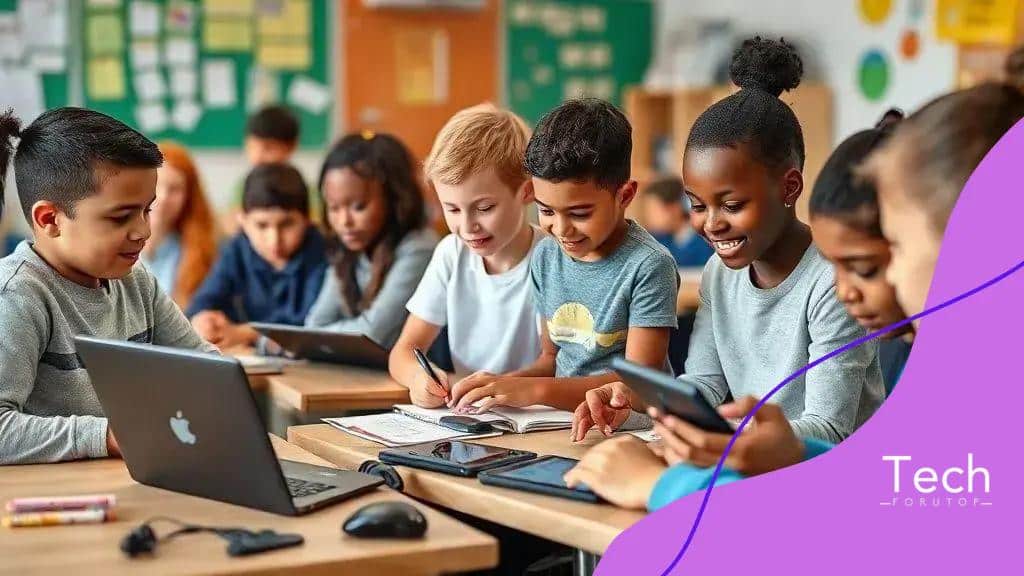
Classroom innovation tools enhance student engagement, support personalized learning, and foster collaboration, making them essential for modern educational environments.
Classroom innovation tools are changing how educators engage students and enhance learning. Have you ever wondered how these tools can make a difference in your teaching experience? Let’s discover their potential together.
Understanding classroom innovation tools
Understanding classroom innovation tools is essential for modern educators. These tools can enhance learning experiences and promote greater engagement among students. By integrating technology into the classroom, teachers can create a more interactive environment.
What Are Classroom Innovation Tools?
Classroom innovation tools include a variety of resources, both digital and physical, designed to support teaching and learning. They facilitate collaboration, enhance creativity, and provide opportunities for personalized learning.
Types of Tools
- Digital platforms for collaborative learning
- Interactive whiteboards for engaging presentations
- Learning management systems for tracking progress
- Augmented and virtual reality tools for immersive experiences
These tools are not just about technology; they are about transforming the way students learn. For instance, using an interactive whiteboard allows students to participate more actively in lessons, fostering a sense of ownership over their learning. Additionally, digital platforms encourage collaboration, enabling students to work together even from different locations.
Moreover, innovative tools can cater to different learning styles. Some students may thrive with visual aids, while others prefer hands-on activities. By incorporating a mix of these tools, educators ensure that all students have the opportunity to succeed.
Benefits of Using Innovation Tools
- Increases student engagement and motivation
- Fosters collaboration and teamwork
- Provides instant feedback for improvement
- Encourages creativity and critical thinking
It is important for teachers to choose the right tools based on their specific classroom needs. The right tools can empower students, providing them with a sense of agency in their education. For example, when students use technology to create presentations, they take on a more active role in their learning journey.
Overall, understanding classroom innovation tools is key to adapting to today’s educational landscape. As technology continues to evolve, so do the opportunities for enhancing learning experiences. Teachers who are willing to embrace these innovations can create environments that inspire and motivate their students.
Benefits for teachers and students
The benefits of classroom innovation tools extend to both teachers and students. These tools change how lessons are delivered and how students engage with content. As educators adopt classroom innovation tools, they find that their teaching methods become more effective and engaging.
Enhanced Engagement
One major benefit is the increase in student engagement. Students are more likely to participate when they can interact with lessons in dynamic ways. For example, tools like interactive simulations can transform a mundane topic into an exciting learning opportunity.
Personalized Learning
- Allows for tailored educational experiences.
- Caters to various learning styles and paces.
- Fosters independent learning among students.
By utilizing innovative tools, teachers can provide personalized experiences. This means that each student can learn at their own pace. Additionally, tools can highlight strengths and pinpoint areas needing improvement, allowing teachers to adapt their approach accordingly.
Collaboration and Communication
- Promotes teamwork among students.
- Facilitates better communication between teachers and students.
- Encourages peer-to-peer feedback.
Moreover, classroom innovation tools enhance collaboration. Students can work together on projects using digital platforms, encouraging teamwork and the sharing of ideas. Teachers also benefit from improved communication tools, enabling them to provide feedback more effectively.
Another advantage is the increased efficiency in grading and assessments. Many tools offer instant feedback for assignments, allowing teachers to save time and focus more on teaching. Automated assessments give students quicker results, which can motivate them to improve continuously.
Professional Development
Lastly, these tools often come with resources and support for teachers. Many platforms offer professional development opportunities, ensuring educators stay updated on the best practices for utilizing technology in the classroom. This ongoing learning helps teachers refine their skills, leading to better outcomes for students.
Top classroom innovation tools to consider
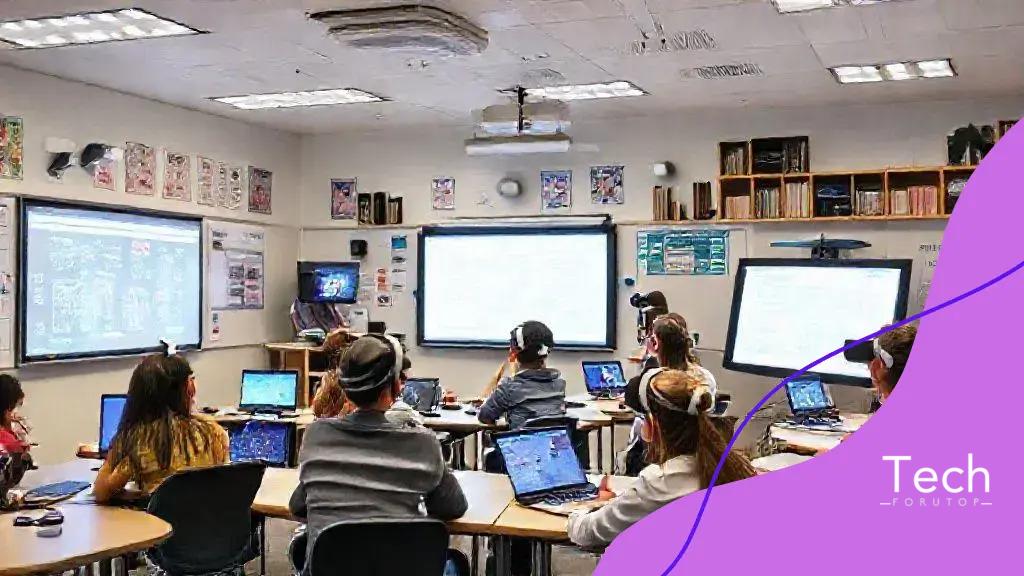
When exploring classroom innovation tools, it’s essential to know which ones can truly enhance learning. Here’s a look at some top options that educators should consider integrating into their classrooms.
1. Learning Management Systems (LMS)
Learning Management Systems have become central to modern education. These platforms allow teachers to assign and track coursework while enabling students to access resources anytime, anywhere. Popular LMS options like Google Classroom and Canvas offer user-friendly interfaces and extensive features.
2. Interactive Whiteboards
Interactive whiteboards bring lessons to life. They enable teachers to present content dynamically, encouraging student interaction. Teachers can incorporate videos, quizzes, and interactive games right onto the board, making learning engaging and fun.
3. Student Response Systems
- Instant feedback on understanding
- Encourages participation from shy students
- Helpful for formative assessments
Student response systems allow teachers to gauge student comprehension in real-time. These tools often come in the form of clickers or apps that let students answer questions anonymously, fostering a comfortable learning environment.
4. Virtual Reality (VR) Tools
Virtual reality tools, such as Google Expeditions, let students explore environments that are impossible to visit in real life. Whether exploring ancient ruins or diving into the ocean, students get immersive experiences that enhance understanding and retention of information.
5. Collaboration Platforms
- Facilitates group projects
- Encourages communication and creativity
- Enables file sharing and document editing
Platforms like Microsoft Teams and Slack help students collaborate on projects regardless of location. These tools support teamwork, allowing students to communicate and share resources effectively, further enriching their learning experience.
By utilizing these classroom innovation tools, educators can create a more interactive and effective learning environment. As these tools come with numerous features, it’s important for teachers to assess their specific needs and to choose tools that align best with their teaching objectives.
Implementing tools in your curriculum
Implementing classroom innovation tools into your curriculum can transform how students learn and engage with material. It requires careful planning and consideration to ensure that these tools enhance the educational experience instead of distracting from it.
Assessing Needs
The first step in implementation is assessing the specific needs of your classroom. Understand the challenges your students face and identify areas where technology can make a positive impact. For example, if students struggle with collaboration, tools that promote teamwork should be prioritized.
Integrating Technology Gradually
When integrating new tools, start small. Use one or two innovations and gradually introduce more as confidence grows. This gradual approach helps both teachers and students adapt to new technologies without feeling overwhelmed.
Selecting the Right Tools
- Consider tools that align with your educational goals.
- Evaluate user-friendliness for both teachers and students.
- Look for tools that offer support or professional development.
Choose tools that fit your teaching style and classroom environment. Look for platforms that provide support and tutorials, helping you and your students make the most of the technology.
Training and Support
Training is essential for successful implementation. Invest time in professional development sessions to familiarize yourself with new tools. Encourage students to participate in training as well, so they feel comfortable using the technology. Having a solid understanding of the tools available ensures that everyone can contribute effectively.
Getting Feedback
- Regularly ask students for their input on the tools.
- Monitor their engagement and success rates.
- Adjust your strategies based on feedback.
Once the tools are in use, gather feedback from students. This information helps you understand what is working and what is not. Use this feedback to adjust your lesson plans or explore new tools that might better fit your classroom needs.
Incorporating classroom innovation tools into your curriculum is an ongoing process. It’s important to remain flexible and open to change while continuously seeking ways to enhance your students’ learning experiences. Have patience as both you and your students learn to navigate these new resources together.
Measuring the impact of innovation tools
Measuring the impact of innovation tools in the classroom is essential for understanding their effectiveness. By evaluating how these tools affect student learning and engagement, educators can make informed decisions on future implementations.
Defining Clear Objectives
Before measuring impact, it’s vital to define clear objectives. Establish what you want to achieve with these tools. This might include improving student participation, enhancing understanding of material, or increasing academic performance. Clear goals guide your assessment methods.
Utilizing Data Analytics
Many classroom tools come with built-in analytics features. These tools track student progress and engagement, providing teachers with valuable insights. You can see how often students use a tool and their performance on various assignments, making it easier to identify trends.
Regular Assessments
- Conduct pre- and post-assessments.
- Use quizzes to measure understanding over time.
- Gather feedback through surveys.
Regular assessments are crucial for evaluating the impact of innovation tools. By performing pre- and post-assessments, you can compare student performance before and after implementing a new tool. Quizzes can help measure understanding over time, while surveys can collect feedback about students’ experiences and perceptions of the tools.
Monitoring Engagement Levels
Engagement is another critical factor to assess. Observing how students interact with the tools can provide insights into their effectiveness. Pay attention to whether students actively participate during lessons or show enthusiasm when using new technologies. Higher engagement levels often correlate with better learning outcomes.
Soliciting Student Feedback
- Ask students about their experiences with the tools.
- Encourage suggestions for improvement.
- Share collected data with students for transparency.
Soliciting feedback from students helps understand their perspective on the tools’ effectiveness. Their insights can highlight what works well and what needs adjustment. Openly sharing collected data promotes transparency and helps students feel involved in their learning journey.
To truly measure the impact of innovation tools, it’s important for educators to use a combination of quantitative and qualitative data. By analyzing results and continuously refining teaching strategies, teachers can enhance the learning experience and help students achieve their educational goals.
In conclusion, classroom innovation tools offer exciting opportunities for enhancing education. These tools foster engagement, provide personalized learning experiences, and promote collaboration among students. As teachers implement these technologies, it’s vital to continuously assess their impact and make adjustments based on feedback. By doing so, educators can create dynamic learning environments that cater to the diverse needs of their students and prepare them for a successful future.
FAQ – Frequently Asked Questions about Classroom Innovation Tools
What are classroom innovation tools?
Classroom innovation tools are technologies and resources that enhance the teaching and learning experience, promoting engagement, collaboration, and personalized learning.
How can I implement innovation tools in my curriculum?
Start by assessing your classroom needs, selecting tools that align with your goals, and gradually integrating them while providing training for both students and educators.
What are the benefits of using these tools?
Innovation tools increase student engagement, enable personalized learning experiences, and promote collaboration, leading to better outcomes in the classroom.
How do I measure the impact of these tools?
You can measure impact by setting clear objectives, using data analytics, conducting regular assessments, and soliciting feedback from students about their experiences.