The evolution of news consumption among gen z

The evolution of news consumption among Gen Z is characterized by a preference for personalized, interactive content delivered through social media, emphasizing trust and transparency in news sources.
The evolution of news consumption among Gen Z is reshaping how information is shared and understood today. Have you noticed how younger audiences engage with news differently? Let’s dive into their world.
How Gen Z prefers to consume news
Understanding how Gen Z prefers to consume news can be quite revealing. This generation approaches news in a way that diverges significantly from previous generations. They thrive on quick information, often gravitating toward platforms that allow for fast, digestible content.
Preferred Platforms for News Consumption
When it comes to news, Gen Z typically opts for digital platforms rather than traditional media. Many seek their news on social media sites or video platforms. This shift shows how they value convenience and immediacy.
- Social media networks like Twitter and TikTok are primary sources.
- Video content from platforms like YouTube often captures their attention.
- Their preference for mobile access shapes how and when they engage with news.
- Podcasts and live streams are also becoming popular among this demographic.
Furthermore, the tone and style of news are essential for Gen Z. They are drawn to content that is not only informative but also engaging and visually appealing. Content creators who utilize visual elements, like infographics and videos, often attract a larger audience.
It’s also crucial to acknowledge that trust plays a significant role in their news consumption. Many young individuals express skepticism towards traditional media and prefer sources they consider authentic. They are likely to rely on influencers who are honest and relatable.
Speed and Engagement
The speed at which they consume news is another critical factor. Gen Z tends to prefer headlines and summaries that convey information quickly. Reports suggest that they often scroll through a feed rather than reading lengthy articles.
- Quick updates keep them informed without overwhelming them.
- The use of emojis and informal language resonates with their communication style.
- Interactive polls and quizzes help maintain engagement.
In conclusion, Gen Z’s approach to news consumption is marked by a reliance on rapid, digital information shared through modern channels. They favor platforms that provide content in an engaging and accessible format, while also valuing transparency and credibility in the news they consume. Understanding these preferences is key for anyone looking to connect with this dynamic generation.
The role of social media in news dissemination
The role of social media in news dissemination has become increasingly vital. This platform is where many people, especially Gen Z, turn for their daily updates. Social media’s fast-paced environment allows users to share news quickly, creating a dynamic flow of information.
Speed of Information Sharing
One of the most significant advantages of social media is the speed at which news travels. Users can instantly push updates to their networks, making information accessible in real-time. This immediacy is critical when breaking news occurs.
- News stories can trend rapidly, reaching millions within moments.
- Users often share personal experiences related to news events, making stories more relatable.
- Live videos and streams enhance the immediacy of the coverage.
However, this speed also raises concerns about accuracy. Misinformation can spread just as quickly as verified news, making it essential for users to critically evaluate their sources.
The Influence of Content Creators
Content creators play an essential part in how news is shared on social media. Influencers and journalists alike leverage social media for storytelling. They often present information in engaging ways, which can attract larger audiences.
- Visual content, like infographics and short videos, helps simplify complex news stories.
- Content creators who build trust can significantly impact public opinion.
- Interactive content, such as polls and question boxes, fosters audience engagement.
Through these methods, social media not only informs but also encourages participation. Users engage by commenting and sharing their thoughts, turning consumers into active participants in news conversations.
In summary, social media platforms are transforming the landscape of news dissemination. They enable fast sharing, engage users, and promote dialogue around current events. However, consumers must remain vigilant about the accuracy and reliability of the news circulating on these platforms.
Impact of video content on news engagement
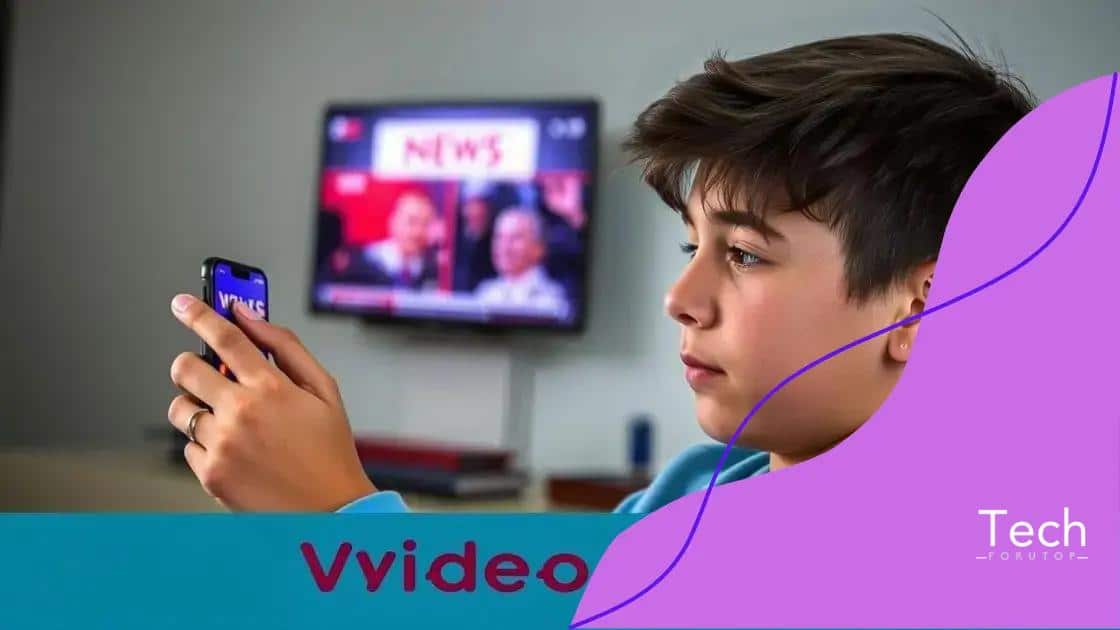
The impact of video content on news engagement is significant, especially for younger audiences. Videos often capture attention more effectively than static images or text. They offer a dynamic way to present information, making news more accessible.
Visual Storytelling and Engagement
Visual storytelling plays a crucial role in how news is consumed. By incorporating videos, news outlets can convey complex stories in a digestible format. This method enhances understanding and retention of information.
- Brief video clips can summarize longer articles or reports.
- Animations can illustrate data, making statistics easier to digest.
- Live reports create a sense of urgency and immediacy.
As more Gen Z individuals gravitate toward video platforms, news organizations must adapt their strategies. Engaging content helps build a loyal audience who actively participates in discussions.
Platform Preferences
Much of this engagement occurs on platforms like YouTube, Instagram, and TikTok. Here, users prefer short, eye-catching clips that fit their fast-paced lives. The algorithm-driven nature of these platforms boosts the visibility of engaging video content.
- Platforms prioritize videos in users’ feeds, increasing exposure.
- Content creators can leverage their influence to draw attention to important news.
- Users often share impactful videos, amplifying their reach.
Moreover, the interactive aspects of video content encourage user participation. Whether through comments or shares, viewers feel more connected to the stories being told. This heightened connection fosters greater discourse around current events.
By understanding the impact of video content, news organizations can better adapt to the preferences of their audience. The incorporation of video enhances user engagement, ensuring that vital information is both seen and understood by larger audiences.
Trust issues with traditional media
Trust issues with traditional media have become increasingly evident, especially among Gen Z. Many young people express skepticism towards news outlets they believe are biased or outdated. This trend shows a growing demand for authenticity and transparency in journalism.
Perceived Bias and Credibility
One major concern is perceived bias. Many Gen Z individuals feel that traditional media often presents news with a specific slant, leading them to question the credibility of these sources. They tend to seek out information that aligns with their personal viewpoints.
- Media outlets are often criticized for lacking balance in reporting.
- Young audiences are drawn to independent content creators who offer a different perspective.
- The rise of fact-checking organizations has made audiences more discerning.
As a result, many prefer platforms that provide straightforward, unbiased reporting. This shift highlights a demand for news that provides multiple viewpoints, allowing consumers to draw their own conclusions.
Influencers and New Media
Social media influencers play a significant role in shaping perceptions of news. Many young people trust these figures more than traditional news anchors. Influencers are often seen as more relatable and transparent in their communication.
- These individuals can convey news in a more personalized manner.
- Young audiences appreciate the informal and engaging style of social media updates.
- When influencers share news, they often highlight its relevance to their followers’ lives.
This creates an environment where news is not only consumed but also actively discussed within a community. As trust in traditional media continues to decline, it presents a challenge for these outlets to adapt to the new landscape.
By understanding the trust issues that affect traditional media, news organizations can work towards rebuilding credibility. This involves embracing transparency and actively engaging with their audience to address concerns directly.
Future trends in news consumption
The future trends in news consumption are evolving rapidly, especially with the influence of technology and changing audience behaviors. As digital platforms gain more prominence, we can expect significant shifts in how news is delivered and consumed.
Personalization and Customization
One major trend is the increasing demand for personalized news experiences. Audiences want news that caters to their individual interests and preferences. This customization allows people to filter out noise and focus on what matters to them.
- Algorithms curate news feeds based on user behavior.
- Notifications can alert users about topics they care about.
- Personalized news apps are becoming popular among younger demographics.
With this level of customization, individuals feel more engaged and connected to the content they consume.
Interactive and Engaging Formats
Another trend is the rise of interactive formats in news delivery. Audiences are looking for immersive experiences that go beyond traditional reading. This includes using videos, podcasts, and even virtual reality to convey complex stories.
- Interactive graphics can help explain data and trends.
- Live discussions and Q&A sessions enhance viewer engagement.
- Gamified news experiences can make learning about current events fun.
As news becomes more interactive, it encourages audiences to engage with the content on a deeper level.
Trust and Verification
The future of news consumption will also emphasize trust and verification. With the proliferation of misinformation, audiences are becoming more discerning. They are actively seeking sources that provide accurate and credible information.
- Fact-checking will become a standard part of news production.
- Transparency in reporting will be critical.
- Collaborations between journalists and tech companies may help combat misinformation.
As consumers demand higher standards of accuracy, news outlets must adapt to restore credibility.
In summary, as trends in news consumption continue to shift, the focus will be on personalization, interactivity, and trust. Organizations that can innovate and meet these changing expectations will be better positioned for future success in a competitive landscape.
FAQ – Frequently Asked Questions about News Consumption Trends
What are the main trends in news consumption for Gen Z?
Main trends include personalization, interactive content, trust in sources, and the influence of social media.
Why is personalization important in news delivery?
Personalization helps audiences filter news according to their interests, making the experience more engaging and relevant.
How does social media influence news engagement?
Social media platforms allow for rapid sharing of news, enabling users to engage with stories and participate in discussions.
What role does trust play in news consumption?
Trust is vital as audiences seek credible sources to avoid misinformation and rely on news that is verified and transparent.