Federal Data Breaches Up 15% in Late 2024: An Investigation
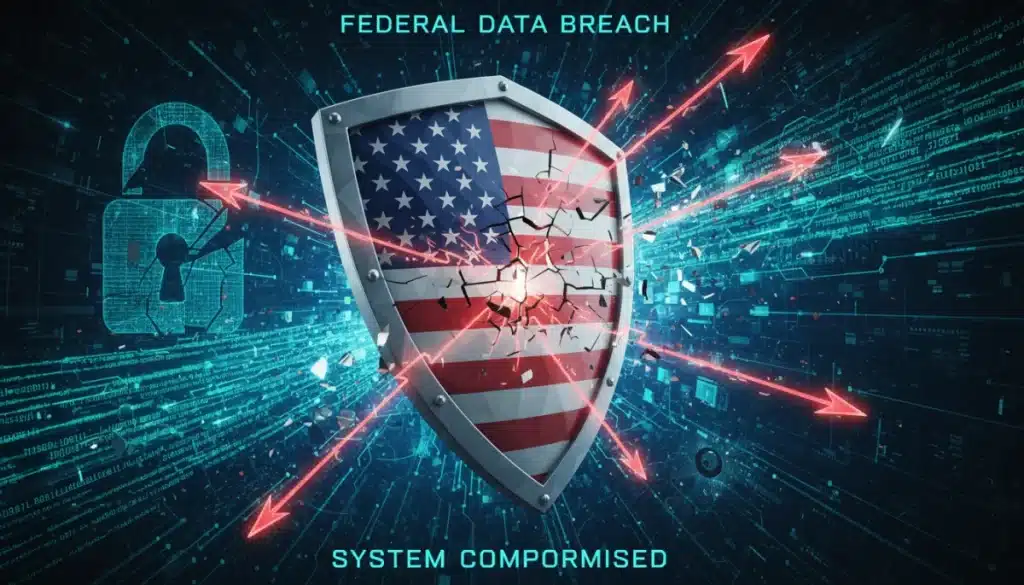
An investigation reveals a significant 15% increase in federal data breaches during the last six months of 2024, highlighting escalating cyber threats against U.S. government systems and demanding urgent attention to enhance national cybersecurity defenses.
A recent investigation has revealed a troubling 15% increase in federal data breaches during the last six months of 2024, signaling a critical escalation in cyber threats targeting government systems across the United States. This surge raises serious questions about the efficacy of current cybersecurity protocols and the potential impact on national security and citizen privacy.
Understanding the Scope of Federal Data Breaches
The landscape of federal cybersecurity is constantly evolving, presenting formidable challenges to agencies tasked with protecting sensitive information. The recent 15% increase in federal data breaches during the latter half of 2024 paints a stark picture of persistent and sophisticated threats.
These breaches are not merely statistical anomalies; they represent real incursions into systems holding everything from classified national security intelligence to personal data of millions of American citizens. The sheer volume and frequency of these incidents underscore a pressing need for a robust and adaptive defense strategy.
Defining a Federal Data Breach
A federal data breach occurs when unauthorized individuals gain access to sensitive or protected information held by a U.S. government agency. This can range from state-sponsored espionage to financially motivated cybercrime. The impact of such breaches can be far-reaching, affecting national security, economic stability, and public trust.
- Unauthorized Access: Gaining entry to systems without proper credentials.
- Data Exfiltration: The illicit transfer of data from compromised systems.
- System Compromise: Malicious actors taking control of government IT infrastructure.
- Insider Threats: Breaches originating from within an organization, often accidental but sometimes malicious.
Understanding these definitions is crucial for agencies to accurately report and respond to incidents, ensuring that the full scope of the problem is recognized and addressed. The increase suggests that traditional perimeter defenses may no longer be sufficient against today’s advanced persistent threats.
The rise in incidents indicates that attackers are becoming more adept at bypassing existing security measures. This necessitates a proactive approach, moving beyond reactive incident response to predictive threat intelligence and continuous vulnerability management.
Key Factors Contributing to the Surge
Several converging factors appear to be driving the alarming 15% increase in federal data breaches. These range from the sophistication of threat actors to systemic vulnerabilities within federal IT infrastructures. Pinpointing these causes is the first step toward developing effective countermeasures.
The digital transformation initiatives across government agencies, while offering efficiency, also expand the attack surface. More data is digitized, more systems are interconnected, and remote work policies have introduced new vectors for potential compromise.
Sophistication of Cyber Adversaries
Modern cyber adversaries, including nation-state actors and organized cybercrime syndicates, are employing increasingly sophisticated tactics. These include advanced phishing campaigns, zero-day exploits, and supply chain attacks that target trusted vendors. Their resources and technical capabilities often rival, or even exceed, those of some government entities.
These groups often operate with impunity, leveraging geopolitical tensions or economic incentives to launch relentless assaults. Their ability to adapt quickly to new defenses makes them particularly challenging to counter.
Outdated Infrastructure and Legacy Systems
Many federal agencies still rely on legacy IT systems that are inherently more vulnerable to modern cyberattacks. These older systems often lack the security features of contemporary technologies and are harder to patch and maintain, creating persistent weak points that attackers can exploit.
The cost and complexity of upgrading these systems are significant hurdles, leading to a patchwork of old and new technologies that can introduce new vulnerabilities. This technical debt accrues over time, making comprehensive security a monumental task.
Human Factor and Training Gaps
Despite technological advancements, the human element remains a primary vulnerability. Phishing, social engineering, and accidental misconfigurations by employees can open doors for attackers. A lack of consistent, comprehensive cybersecurity training across all federal employees contributes significantly to this risk.
Even with advanced security tools, a single click on a malicious link can compromise an entire network. Therefore, fostering a culture of cybersecurity awareness and vigilance is just as important as deploying cutting-edge technology.
Consequences of Increased Federal Data Breaches
The ramifications of a 15% increase in federal data breaches extend far beyond immediate technical disruptions. These incidents have profound implications for national security, economic stability, and public trust in government institutions. The long-term effects can be particularly damaging, eroding confidence and potentially compromising critical operations.
Each breach can expose sensitive information, disrupt essential services, and incur substantial financial costs, both in remediation and reputational damage. The ripple effects can be felt across various sectors, from defense to healthcare.
Erosion of Public Trust and Confidence
When federal agencies fail to protect citizen data, public trust is severely undermined. Citizens expect their government to safeguard their personal information, and repeated breaches can lead to skepticism and reluctance to engage with government services. This erosion of trust can have long-lasting societal impacts.
The perception of incompetence or negligence can fuel public discontent and make it harder for agencies to gain support for vital initiatives. Rebuilding trust is a slow and arduous process, requiring demonstrable commitment to security.
National Security Implications
Federal data breaches often target classified information, intelligence data, and critical infrastructure control systems. The compromise of such data can expose national defense strategies, reveal intelligence sources, and even jeopardize military operations. This poses a direct threat to national security, potentially giving adversaries a strategic advantage.
The theft of intellectual property related to advanced defense technologies or sensitive research can also have significant military and economic consequences, impacting the nation’s competitive edge.
Financial and Operational Costs
Responding to and recovering from a data breach is an incredibly expensive undertaking. Costs include forensic investigations, system remediation, legal fees, public relations efforts, and potential fines or penalties. Furthermore, operational disruptions can lead to significant economic losses and delays in critical government functions.
The financial burden extends beyond immediate response, encompassing long-term investments in enhanced security measures and ongoing monitoring to prevent future incidents. These costs divert resources from other essential government programs.
Proactive Measures and Strategic Responses
Addressing the 15% increase in federal data breaches requires a multi-faceted and proactive approach, combining technological advancements with policy reforms and enhanced human capital development. A reactive stance is no longer sufficient; agencies must anticipate threats and build resilience into their systems from the ground up.
This involves a shift in mindset, treating cybersecurity not as an IT problem but as a fundamental aspect of national security and public service. Collaboration across government and with the private sector is also paramount.

Enhancing Cybersecurity Frameworks and Compliance
Federal agencies must adopt and rigorously enforce comprehensive cybersecurity frameworks, such as NIST (National Institute of Standards and Technology) guidelines. This includes regular security audits, vulnerability assessments, and penetration testing. Compliance must be continuous, not a one-time check, adapting to new threat intelligence.
- Zero Trust Architecture: Implementing a security model that assumes no user or device can be trusted by default.
- Multi-Factor Authentication (MFA): Mandating MFA for all access to sensitive systems.
- Data Encryption: Encrypting data both in transit and at rest to protect it from unauthorized access.
- Regular Patch Management: Ensuring all systems and software are promptly updated with the latest security patches.
These measures form the bedrock of a strong defense, making it significantly harder for attackers to gain a foothold or move laterally within a network. Consistent application across all agencies is vital.
Investing in Advanced Threat Intelligence
Effective cybersecurity relies on staying ahead of adversaries. Investing in advanced threat intelligence platforms and expertise allows agencies to understand emerging threats, attacker methodologies, and potential vulnerabilities before they are exploited. This predictive capability enables proactive defense strategies.
Sharing threat intelligence between agencies and with trusted private sector partners can also create a more robust collective defense, allowing for rapid dissemination of information about new attack vectors and indicators of compromise.
The proactive identification of threats minimizes the window of opportunity for attackers, making it harder for them to achieve their objectives.
The Role of Public-Private Partnerships
The battle against cyber threats cannot be won by government agencies alone. The expertise, innovation, and resources of the private sector are indispensable. Public-private partnerships are crucial for sharing threat intelligence, developing cutting-edge security solutions, and fostering a robust national cybersecurity ecosystem.
These collaborations can accelerate the adoption of advanced technologies and best practices, ensuring that federal systems benefit from the latest advancements in cyber defense. It also creates a unified front against common adversaries.
Collaborative Threat Information Sharing
Establishing secure and efficient channels for sharing threat intelligence between government and private sector entities is paramount. This includes information about attack methodologies, vulnerabilities, and indicators of compromise. Such collaboration allows for faster detection and response to evolving threats.
Platforms like Information Sharing and Analysis Centers (ISACs) facilitate this exchange, allowing industries to collectively bolster their defenses. The timely sharing of information can prevent widespread attacks and mitigate damage.
Joint Research and Development Initiatives
Government agencies and private companies can collaborate on research and development to create next-generation cybersecurity technologies. This includes AI-driven threat detection, quantum-resistant cryptography, and advanced secure coding practices. Pooling resources and expertise can lead to breakthroughs that would be difficult for either sector to achieve independently.
These initiatives not only enhance federal security but also drive innovation within the cybersecurity industry as a whole, benefiting all users of digital technology. The synergy between public and private innovation is a powerful deterrent against sophisticated cyberattacks.
Looking Ahead: The Future of Federal Cybersecurity
The 15% increase in federal data breaches serves as a stark reminder that the cybersecurity landscape is dynamic and requires continuous adaptation. Looking ahead, the focus must shift towards building inherently resilient systems, fostering a culture of security, and embracing emerging technologies responsibly.
The future of federal cybersecurity will depend on a combination of strategic foresight, technological investment, and a unified approach across all levels of government and industry. Complacency is not an option in this evolving threat environment.
Anticipating Emerging Threats
Cybersecurity strategies must be forward-looking, anticipating emerging threats such as those posed by artificial intelligence, quantum computing, and the expanding Internet of Things (IoT). Developing defenses for these future challenges today is critical to preventing future breaches.
This involves continuous research into potential attack vectors and developing proactive countermeasures, rather than waiting for new threats to materialize and cause damage. Staying one step ahead is the ultimate goal.
Developing a Skilled Cybersecurity Workforce
The shortage of skilled cybersecurity professionals is a significant challenge. Federal agencies must invest in recruiting, training, and retaining a highly qualified workforce capable of defending complex systems. This includes developing educational programs, offering competitive salaries, and fostering a supportive work environment.
A well-trained and motivated workforce is the most critical asset in the fight against cybercrime. Their expertise is essential for implementing and managing advanced security solutions effectively.
Implementing Adaptive Security Architectures
Future federal cybersecurity architectures must be adaptive and agile, capable of dynamically responding to new threats and vulnerabilities. This includes concepts like security orchestration, automation, and response (SOAR), which enable faster and more efficient incident management. The ability to quickly reconfigure defenses is paramount.
These architectures move away from static, perimeter-based security to a more dynamic, data-centric approach, where security controls are applied closer to the data itself, regardless of its location. This provides a more robust and flexible defense against sophisticated attacks.
| Key Aspect | Brief Description |
|---|---|
| Breach Increase | Federal data breaches rose by 15% in late 2024, indicating heightened cyber threats. |
| Contributing Factors | Sophisticated adversaries, legacy systems, and human error are key drivers. |
| Impacts | Erodes public trust, compromises national security, and incurs significant financial costs. |
| Solutions | Enhanced frameworks, threat intelligence, and public-private partnerships are crucial. |
Frequently Asked Questions About Federal Data Breaches
This increase signifies a heightened and evolving threat landscape targeting U.S. government systems. It indicates that current security measures may be insufficient against sophisticated adversaries and highlights an urgent need for enhanced cybersecurity strategies and investments to protect sensitive federal data.
Compromised data often includes sensitive personal information of citizens, classified national security intelligence, intellectual property related to government research, and operational data for critical infrastructure. The specific type of data depends on the targeted agency and the motives of the attackers.
Response typically involves immediate containment of the breach, forensic investigation to determine the cause and scope, notification of affected individuals and relevant authorities, system remediation, and implementation of enhanced security measures to prevent future incidents. Legal and public relations teams also play a critical role.
While direct prevention is primarily an agency’s responsibility, citizens can contribute by practicing good cyber hygiene, such as using strong, unique passwords, enabling multi-factor authentication, being wary of phishing attempts, and reporting suspicious online activity. This helps reduce the overall attack surface.
Long-term solutions include significant investments in modernizing legacy IT infrastructure, implementing Zero Trust architectures, fostering public-private partnerships for threat intelligence sharing, developing a skilled cybersecurity workforce, and continually adapting security frameworks to anticipate emerging threats like AI and quantum computing.
Conclusion
The revelation of a 15% increase in federal data breaches during the last six months of 2024 is a critical wake-up call, emphasizing the urgent need for a paradigm shift in how the U.S. government approaches cybersecurity. This escalating threat demands not only immediate, robust responses but also long-term strategic investments in technology, policy, and human capital. By embracing advanced security frameworks, fostering public-private collaboration, and cultivating a proactive defense posture, federal agencies can begin to rebuild trust and safeguard the nation’s most sensitive information against an increasingly sophisticated array of cyber adversaries. The future of national security and citizen confidence hinges on these decisive actions.