New Environmental Regulations Reshaping US Manufacturing by 2026
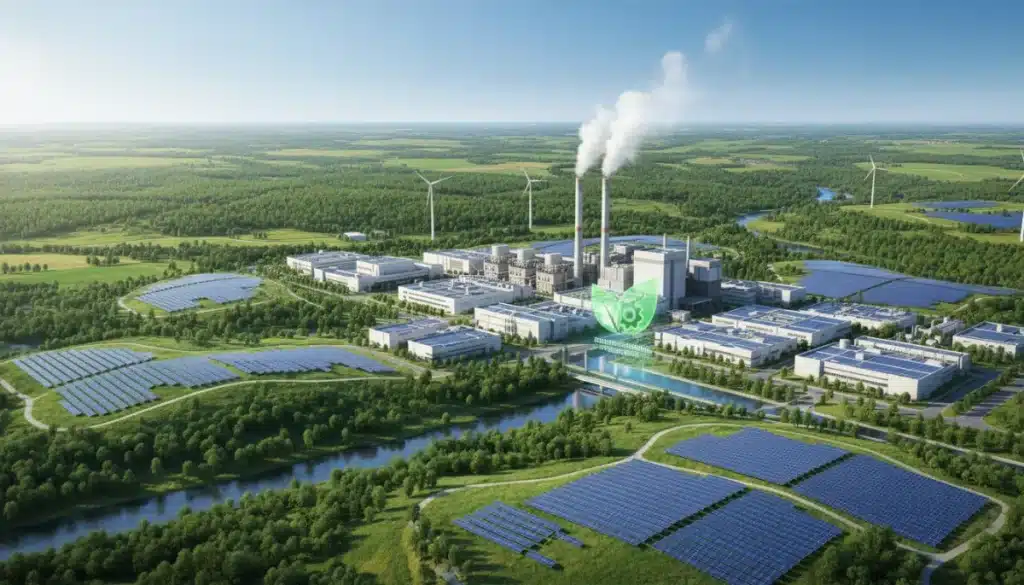
New environmental regulations are set to significantly reshape US manufacturing by 2026, compelling industries to adopt sustainable practices, innovate production methods, and navigate substantial economic and operational transformations.
The landscape of American industry is constantly evolving, and a significant transformation is on the horizon. An in-depth analysis: how new environmental regulations will reshape US manufacturing by 2026 reveals a future where sustainability and compliance are not just buzzwords, but fundamental pillars of operational success. This shift demands careful consideration from businesses, policymakers, and consumers alike.
The Impetus Behind Stricter Environmental Regulations
The drive for more stringent environmental regulations in the United States stems from a confluence of scientific evidence, public demand, and global commitments. As climate change impacts become more evident and resource scarcity a pressing concern, federal and state governments are increasing their efforts to mitigate industrial footprints.
These regulations are not arbitrary; they are often the result of extensive research into pollution’s effects on public health and ecosystems. The goal is to foster a healthier environment while simultaneously pushing industries towards more efficient and less wasteful production cycles.
Key Drivers of Regulatory Change
- Climate Change Mitigation: Efforts to reduce greenhouse gas emissions are central, influencing energy consumption and industrial processes.
- Public Health Concerns: Regulations target air and water pollutants directly impacting human health, especially in industrial zones.
- Resource Conservation: Initiatives promoting circular economy principles and efficient resource use are gaining traction.
- International Agreements: The US commitment to global environmental accords often translates into domestic policy changes.
Understanding these drivers is crucial for manufacturers to anticipate future regulatory trends and proactively adapt. Ignoring these signals could lead to significant compliance challenges and competitive disadvantages. The regulatory environment is dynamic, requiring continuous monitoring and strategic planning.
Anticipated Regulatory Changes and Their Scope
By 2026, several key areas of environmental regulation are expected to see significant updates and stricter enforcement. These changes will likely affect everything from raw material sourcing to waste disposal, encompassing the entire manufacturing value chain. Manufacturers need to prepare for a multi-faceted regulatory landscape.
One major focus will be on emissions standards, particularly for greenhouse gases and volatile organic compounds (VOCs). The Environmental Protection Agency (EPA) is continuously reviewing and updating National Ambient Air Quality Standards (NAAQS) and other emission limits, which will necessitate technological upgrades and process modifications for many facilities.
Focus Areas for New Regulations
- Emissions Standards: Stricter limits on air pollutants, including CO2, methane, and particulate matter, will require advanced filtration and carbon capture technologies.
- Water Discharge Permitting: Updates to the Clean Water Act and state-level permits will demand improved wastewater treatment and reduced discharge of harmful substances.
- Waste Management and Recycling: Increased emphasis on waste reduction, reuse, and recycling, potentially including mandates for manufacturers to take back their products.
- Chemical Use and Reporting: Enhanced regulations around the use, storage, and reporting of hazardous chemicals, pushing for safer alternatives.
- Energy Efficiency Mandates: New standards and incentives promoting energy-efficient machinery and renewable energy adoption in manufacturing operations.
These anticipated changes underscore the need for manufacturers to invest in comprehensive environmental management systems and to foster a culture of continuous improvement in sustainability. Proactive engagement with regulatory bodies can also help shape future policies to be more practical and effective.
Impact on Production Processes and Technology Adoption
The impending environmental regulations will inevitably force a fundamental re-evaluation of current production processes within US manufacturing. Traditional methods, often designed for efficiency without significant environmental considerations, will need to be overhauled or replaced. This presents both a challenge and an opportunity for technological innovation.
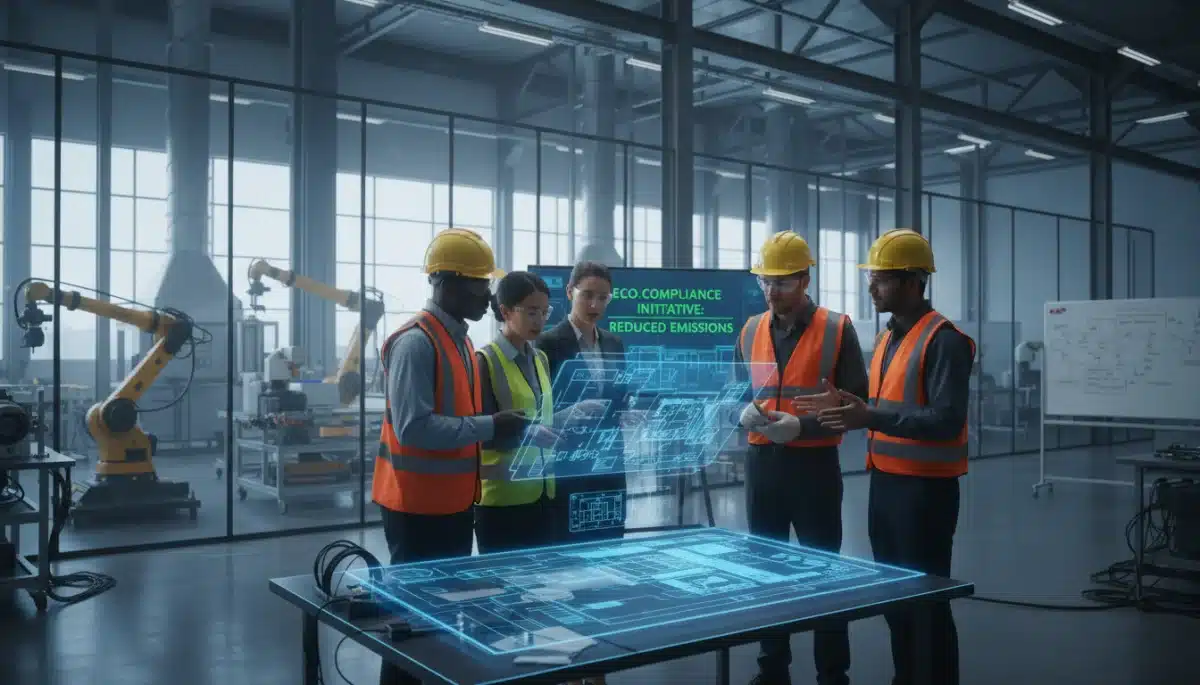
Manufacturers will likely accelerate the adoption of advanced manufacturing technologies, such as automation, artificial intelligence, and industrial internet of things (IIoT), to optimize resource use and minimize waste. These technologies can provide real-time data on energy consumption, emissions, and material flow, enabling more precise control and compliance.
Technological Shifts in Manufacturing
- Lean Manufacturing Principles: Further integration of lean practices to reduce waste in all forms, from energy to materials.
- Advanced Filtration Systems: Investment in state-of-the-art air and water purification technologies to meet stricter discharge limits.
- Renewable Energy Integration: Transitioning to solar, wind, or other renewable sources to power facilities and reduce carbon footprints.
- Circular Economy Models: Designing products for longevity, repairability, and recyclability, closing material loops.
The capital investment required for these technological upgrades can be substantial, but the long-term benefits, including reduced operational costs, improved public image, and enhanced market competitiveness, often outweigh the initial outlay. It’s a strategic investment in future viability.
Economic Implications for US Manufacturers
The economic implications of new environmental regulations are complex, presenting both potential burdens and significant opportunities for US manufacturers. Initial compliance costs, including investments in new equipment, process modifications, and specialized personnel, can be substantial, particularly for small and medium-sized enterprises (SMEs).
However, these regulations also stimulate innovation, create new markets for green technologies and services, and can lead to long-term cost savings through increased efficiency and reduced waste. Companies that embrace sustainability early may gain a competitive edge.
Economic Challenges and Opportunities
- Increased Operational Costs: Initial expenses for compliance, technology upgrades, and training staff on new procedures.
- Market Access: Compliance can open doors to markets demanding sustainable products and supply chains.
- Innovation and Competitiveness: Driving the development of new, greener products and processes, enhancing market position.
- Job Creation: Growth in sectors related to environmental technologies, renewable energy, and sustainability consulting.
- Supply Chain Realignment: Pressure to ensure suppliers also meet environmental standards, leading to more resilient and ethical supply chains.
Government incentives, such as tax credits, grants, and low-interest loans, will play a crucial role in helping manufacturers navigate these economic shifts. Policy support can ease the transition and ensure that US manufacturing remains globally competitive while becoming more sustainable.
Supply Chain Transformations and Global Competitiveness
New environmental regulations will extend their influence far beyond individual factory gates, compelling significant transformations across entire supply chains. Manufacturers will increasingly scrutinize their suppliers for environmental performance, demanding transparency and adherence to sustainability standards. This will create a ripple effect, pushing for greener practices throughout the entire value chain.
This shift will not only impact domestic suppliers but also have profound implications for global competitiveness. US manufacturers sourcing from international markets will need to ensure their overseas partners comply with equivalent environmental standards, or face potential trade barriers and reputational risks. This could lead to a preference for localized and more transparent supply chains.
Key Supply Chain Adjustments
- Supplier Audits: Enhanced environmental performance audits for all suppliers, from raw material providers to logistics partners.
- Localized Sourcing: A potential shift towards domestic or nearshore sourcing to reduce transportation emissions and improve oversight.
- Product Lifecycle Assessments: Greater emphasis on understanding the environmental impact of products from conception to end-of-life.
- Collaborative Innovation: Working with suppliers to develop and implement more sustainable materials and processes.
- Circular Economy Integration: Demands for suppliers to participate in take-back programs and provide recyclable components.
These transformations will require robust data management systems and close collaboration between manufacturers and their supply chain partners. Companies that proactively adapt their supply chains will not only meet regulatory requirements but also build stronger, more resilient, and ethically sound operations.
Navigating Compliance and Future-Proofing Operations
For US manufacturers, navigating the complex web of new environmental regulations by 2026 will require a proactive and strategic approach. Simply reacting to mandates as they arise will be insufficient; instead, businesses must embed environmental compliance and sustainability into their core operational strategies. This involves a multi-faceted approach, encompassing legal, technical, and cultural changes.
Investing in expert environmental consultants, staying abreast of legislative developments, and fostering a culture of environmental responsibility among employees are all critical steps. Companies that view environmental regulations not as a burden but as an opportunity for innovation and efficiency will be best positioned for long-term success.
Strategies for Compliance and Resilience
- Proactive Regulatory Monitoring: Regularly tracking upcoming legislation and policy changes at federal, state, and local levels.
- Investment in R&D: Allocating resources to research and develop greener materials, processes, and products.
- Employee Training and Engagement: Educating the workforce on new environmental protocols and fostering a culture of sustainability.
- Robust Environmental Management Systems (EMS): Implementing certified EMS (e.g., ISO 14001) to systematically manage environmental impacts.
- Stakeholder Engagement: Communicating transparently with regulators, communities, and customers about sustainability efforts.
Ultimately, future-proofing US manufacturing operations against evolving environmental regulations means building resilience and adaptability. It’s about creating a business model where environmental stewardship is intrinsically linked to economic prosperity and societal value. This holistic approach will define the leaders in the manufacturing sector for decades to come.
The Role of Government Support and Industry Collaboration
As US manufacturing prepares for significant environmental regulatory shifts by 2026, the role of government support and robust industry collaboration becomes paramount. Government agencies are not just enforcers; they can also be facilitators, offering essential resources, incentives, and guidance to help businesses transition. This collaborative approach fosters an environment where compliance is achievable and innovation is encouraged.
Furthermore, collaboration within the industry itself, through trade associations, consortia, and partnerships, can accelerate the adoption of best practices, share technological advancements, and collectively advocate for pragmatic regulatory frameworks. This collective effort can mitigate individual burdens and amplify positive impacts.
Avenues for Support and Collaboration
- Incentive Programs: Federal and state tax credits, grants, and subsidies for adopting green technologies and processes.
- Technical Assistance: Programs offering expertise and guidance on compliance, efficiency improvements, and sustainable practices.
- Standardization Initiatives: Government and industry working together to develop clear, harmonized environmental standards.
- Research and Development Funding: Public-private partnerships to fund innovative solutions for environmental challenges in manufacturing.
- Information Sharing Platforms: Industry-led forums and networks for sharing insights, challenges, and successful strategies related to sustainability.
Effective government support paired with strong industry collaboration can transform the regulatory challenge into a powerful catalyst for a more sustainable, competitive, and resilient US manufacturing sector. This synergy is vital for achieving environmental goals without stifling economic growth.
| Key Aspect | Brief Description |
|---|---|
| Emissions Reduction | Stricter limits on air and water pollutants necessitate advanced technologies and process overhauls. |
| Technological Innovation | Increased adoption of automation, AI, and renewable energy to optimize efficiency and compliance. |
| Supply Chain Evolution | Demand for greener sourcing, localized production, and enhanced transparency across the value chain. |
| Economic Adaptation | Initial costs offset by long-term savings, new market opportunities, and government incentives. |
Frequently Asked Questions About Environmental Regulations
The primary goals are to mitigate climate change, protect public health by reducing pollution, conserve natural resources, and align US industrial practices with international sustainability commitments. These aim to foster a greener, more resilient manufacturing sector.
SMEs may face significant initial compliance costs for new technologies and process changes. However, government incentives and technical assistance programs are expected to help ease this transition, potentially opening new market niches for sustainable products and services.
Essential technologies will include advanced filtration systems for air and water, carbon capture solutions, renewable energy sources, energy-efficient machinery, and digital tools for real-time environmental monitoring and data analytics to optimize processes.
While some roles may shift, the regulations are more likely to create new jobs in green technology development, environmental compliance, renewable energy installation, and sustainable supply chain management. This represents a transformation rather than a net loss.
Effective preparation involves proactive regulatory monitoring, investing in R&D for greener solutions, implementing robust environmental management systems, training employees, and engaging collaboratively with industry peers and government bodies to stay ahead of the curve.
Conclusion
The trajectory for US manufacturing towards 2026 is undeniably shaped by a new wave of environmental regulations. This analysis reveals not just a challenge of compliance, but a profound opportunity for innovation, efficiency, and sustained competitiveness. Manufacturers who proactively embrace these changes, investing in sustainable technologies and practices, will emerge as leaders in a greener industrial landscape. The shift demands strategic foresight, collaborative effort, and a commitment to integrating environmental stewardship into the very fabric of American enterprise, ensuring a resilient and responsible future.