Political Landscape 2025: Key Legislative Priorities for Congress
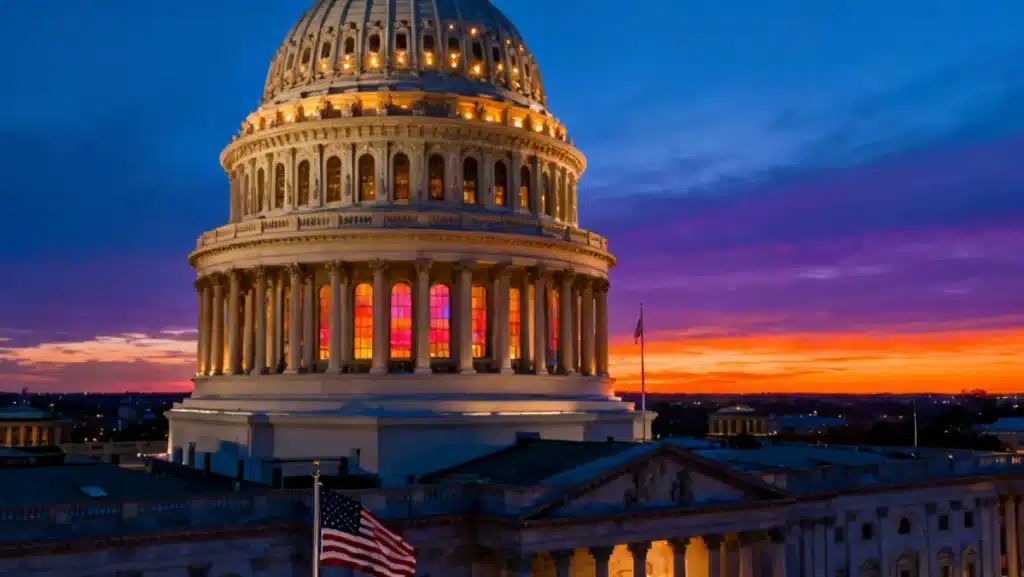
The 2025 US political landscape will be largely shaped by Congress’s legislative agenda, with key priorities expected to include economic recovery, healthcare access, climate action, immigration reform, and national security challenges, reflecting the evolving needs of the nation.
As the political calendar turns towards 2025, one question looms large for citizens, businesses, and global observers alike: what will be the Political Landscape: Analyzing the Key Legislative Priorities for Congress in 2025? Understanding these priorities offers a crucial glimpse into the nation’s future direction, impacting everything from economic stability to social welfare. Join us as we delve into the potential legislative battles and advancements that will define the upcoming congressional term.
Economic Policy and Fiscal Responsibility
The economic health of the nation remains a paramount concern for any legislative body, and Congress in 2025 will undoubtedly place a significant emphasis on policies aimed at fostering growth, managing inflation, and ensuring fiscal stability. The aftermath of recent global economic shifts continues to present complex challenges, requiring a delicate balance between stimulus and austerity measures.
Lawmakers will face pressure to address the national debt while simultaneously investing in vital infrastructure and emerging technologies. Debates are anticipated on tax reforms, budget allocations, and strategies to bolster American competitiveness on the global stage. These decisions will have far-reaching implications for businesses and households across the country.
Tax Reform Initiatives
Major discussions around the tax code are expected to resurface. Both corporate and individual tax rates could be on the table, with various factions advocating for different approaches to stimulate the economy and ensure fairness. The goal is often to create a system that encourages investment and job creation without unduly burdening taxpayers.
- Potential adjustments to corporate tax rates to encourage domestic investment.
- Discussions on individual income tax brackets and deductions for middle-class families.
- Reforms aimed at simplifying the tax code and reducing loopholes.
- Consideration of new taxes or incentives for specific industries, like green energy.
Budgetary Allocations and Spending
The federal budget process is always a contentious area, and 2025 will be no exception. Congress will need to prioritize spending across various sectors, from defense to education, while grappling with rising deficits. The balance between maintaining essential services and controlling national debt will be a central theme.
These economic discussions are not merely about numbers; they reflect fundamental choices about the kind of society the United States aims to be. The legislative outcomes in this area will directly influence employment rates, consumer purchasing power, and the overall trajectory of the American economy.
Healthcare Access and Affordability
Healthcare continues to be a defining issue in American politics, touching every family and community. In 2025, Congress is expected to revisit and potentially reform aspects of healthcare access, affordability, and quality. The lingering effects of the pandemic have only underscored the importance of a robust and equitable healthcare system.
Legislators will likely tackle issues such as prescription drug costs, insurance coverage gaps, and the shortage of healthcare professionals in certain areas. The goal is to ensure that all Americans have access to quality medical care without facing insurmountable financial burdens, a complex endeavor requiring bipartisan cooperation.
Lowering Prescription Drug Costs
One of the most pressing concerns for many Americans is the rising cost of prescription medications. Congress will likely explore various mechanisms to bring down these prices, including negotiating drug costs, increasing generic drug competition, and scrutinizing pharmaceutical company practices.
- Proposals for direct Medicare negotiation of drug prices.
- Legislation to streamline the approval process for generic and biosimilar drugs.
- Measures to improve price transparency within the pharmaceutical industry.
- Initiatives to cap out-of-pocket prescription drug costs for patients.
Expanding Insurance Coverage
Despite significant reforms, many Americans still lack adequate health insurance coverage. Congress will likely consider options to expand coverage, whether through strengthening existing programs like the Affordable Care Act (ACA) or exploring new public health insurance options. The debate will center on how best to achieve universal or near-universal coverage while managing costs.
The legislative efforts in healthcare will aim to strike a balance between market-based solutions and government intervention, seeking to deliver better health outcomes for all citizens. The discussions will be intense, reflecting the deeply personal and economic impact of healthcare policy.
Environmental Protection and Climate Action
The urgency of climate change and environmental degradation continues to grow, making environmental protection and climate action key legislative priorities for Congress in 2025. There is increasing recognition of the need for comprehensive policies to transition to cleaner energy, mitigate climate risks, and protect natural resources.
Expected legislative proposals will range from investments in renewable energy infrastructure to regulations on emissions and conservation efforts. The debate will involve balancing economic interests with environmental imperatives, seeking sustainable solutions that benefit both current and future generations.
Investing in Renewable Energy
A significant focus will be on accelerating the transition to renewable energy sources. This could involve tax credits, grants, and other incentives for solar, wind, and geothermal projects, as well as investments in grid modernization to support these new energy sources.
- Expansion of tax credits for clean energy production and storage.
- Funding for research and development of advanced renewable technologies.
- Legislation to improve the national electrical grid for renewable integration.
- Promoting energy efficiency standards in buildings and transportation.
Addressing Climate Resilience
Beyond reducing emissions, Congress will also need to address the impacts of climate change that are already being felt, such as extreme weather events and rising sea levels. This will involve funding for climate resilience projects, disaster preparedness, and adaptation strategies for vulnerable communities.
The legislative agenda for environmental policy will reflect a growing understanding of the interconnectedness of ecological health and economic prosperity. Crafting effective and bipartisan solutions will be crucial for the nation’s long-term sustainability.
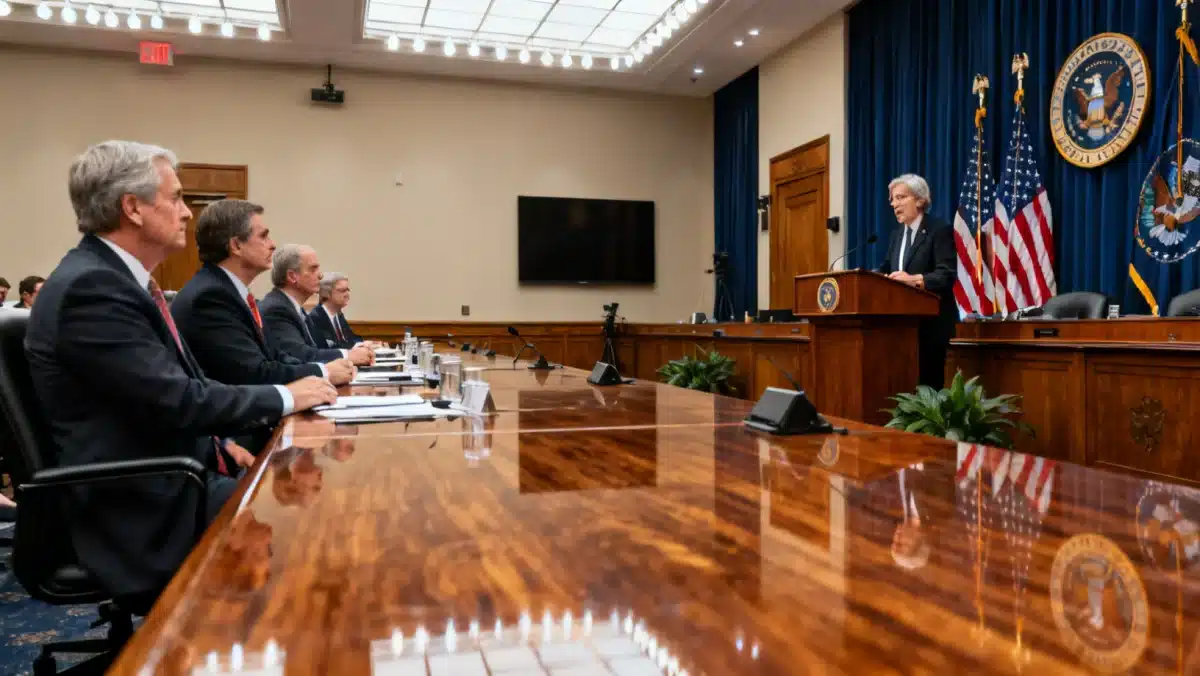
Immigration Reform and Border Security
Immigration remains one of the most contentious and complex issues facing the United States, and it will undoubtedly be a top legislative priority for Congress in 2025. Discussions will center on comprehensive immigration reform, border security, and the treatment of undocumented immigrants already within the country.
Lawmakers will grapple with finding a balance between securing the nation’s borders, processing asylum claims efficiently, and addressing the labor needs of various industries. The humanitarian aspects of immigration, particularly concerning families and children, will also be a significant part of the debate.
Border Management Strategies
Efforts to enhance border security are expected to continue, potentially involving increased funding for technology, personnel, and physical infrastructure. The debate will also include discussions on streamlining legal entry processes and improving the efficiency of border operations.
The legislative path for immigration reform is often fraught with political division. However, the pressing need for a functional and humane system will likely compel Congress to seek common ground, even if incremental. The outcomes will shape the demographics and social fabric of the nation for decades to come.
National Security and Foreign Policy
In an increasingly interconnected and volatile world, national security and foreign policy will command significant attention from Congress in 2025. The legislative body plays a critical role in authorizing military funding, approving international treaties, and overseeing diplomatic efforts. The evolving geopolitical landscape presents new challenges and necessitates strategic responses.
Key areas of focus will include cybersecurity, counterterrorism efforts, managing relations with global powers, and responding to regional conflicts. Congress will also consider trade agreements and international aid, further solidifying the nation’s position on the world stage.
Cybersecurity Enhancements
With the proliferation of cyber threats, strengthening national cybersecurity infrastructure will be a paramount concern. Legislative initiatives could include increased funding for federal cybersecurity agencies, mandates for critical infrastructure protection, and international cooperation to combat cybercrime.
- Development of new cybersecurity standards for government agencies and private sectors.
- Allocation of resources for training and recruiting cybersecurity professionals.
- International agreements to address state-sponsored cyber attacks.
- Protection of sensitive data and critical national infrastructure from digital threats.
Global Alliances and Treaties
Maintaining and strengthening alliances will be crucial for US foreign policy. Congress will likely be involved in ratifying new treaties, providing oversight for existing agreements, and debating the nation’s role in international organizations. These decisions will impact global stability and America’s diplomatic influence.
The legislative work in national security and foreign policy demands a clear-eyed assessment of threats and opportunities. Congress’s decisions in this domain will not only protect American interests but also shape the global order.
Social Justice and Civil Rights
Advancing social justice and protecting civil rights remain fundamental responsibilities of Congress. In 2025, legislative efforts are expected to address systemic inequalities and ensure equitable treatment for all Americans. These issues often spark passionate debate and reflect deep societal values.
Areas of focus may include voting rights, criminal justice reform, LGBTQ+ rights, and gender equality. Lawmakers will consider legislation aimed at dismantling discriminatory practices and promoting inclusivity across various sectors of society. The goal is to uphold the nation’s founding principles of liberty and justice for all.
Criminal Justice Reform
The conversation around criminal justice reform continues to evolve, with calls for changes to sentencing guidelines, policing practices, and rehabilitation programs. Congress will likely explore bipartisan approaches to reduce recidivism, address racial disparities in the justice system, and promote community safety.
The legislative agenda concerning social justice and civil rights is a mirror of the nation’s ongoing pursuit of a more perfect union. These debates are often challenging but are essential for fostering a society where every individual can thrive.
| Key Priority | Brief Description |
|---|---|
| Economic Stability | Focus on tax reform, budget balancing, and fostering economic growth. |
| Healthcare Access | Addressing drug costs, improving insurance coverage, and healthcare quality. |
| Climate Action | Investing in renewable energy and building climate resilience. |
| National Security | Enhancing cybersecurity and managing international relations. |
Frequently Asked Questions about 2025 Legislative Priorities
Congress in 2025 is expected to prioritize tax reform, managing the national debt, and fostering economic growth. Debates will likely center on corporate and individual tax rates, federal budget allocations, and investments in infrastructure to ensure long-term stability and competitiveness.
Healthcare policy in 2025 will likely focus on lowering prescription drug costs, expanding insurance coverage, and improving healthcare quality and accessibility. Lawmakers will explore options to strengthen existing programs and address shortages of healthcare professionals, aiming for more affordable and equitable care.
Environmental protection and climate action will be key. Congress is expected to pursue investments in renewable energy, regulations on emissions, and conservation efforts. Emphasis will also be placed on building climate resilience and adapting to the impacts of a changing environment.
Immigration reform and border security are high-priority issues. Congress will likely engage in debates over comprehensive reform, enhanced border management strategies, and the humanitarian aspects of immigration. Finding a balance between security and efficient legal processes will be a central challenge.
Congress will be crucial in national security and foreign policy, focusing on cybersecurity enhancements, international alliances, and responses to global conflicts. They will oversee military funding, approve treaties, and guide diplomatic efforts, shaping America’s role and influence on the world stage.
Conclusion
The legislative priorities for Congress in 2025 are poised to address a complex array of domestic and international challenges. From stabilizing the economy and ensuring accessible healthcare to tackling climate change, reforming immigration, and safeguarding national security, the upcoming term will demand strategic foresight and bipartisan collaboration. The debates and decisions made within the halls of Congress will not only shape the immediate future but also lay the groundwork for the nation’s long-term prosperity and well-being. Understanding these critical areas of focus is essential for anyone seeking to comprehend the evolving political landscape and its profound implications for American society.