Student Loan Repayment Benefits 2025: Key Updates for Borrowers

Key updates to student loan repayment benefits for 2025 include significant adjustments to Income-Driven Repayment (IDR) plans, potential expansions of Public Service Loan Forgiveness (PSLF), and new relief initiatives, impacting how borrowers manage their educational debt.
As we approach 2025, understanding the latest updates on student loan repayment benefits for 2025 is crucial for millions of borrowers across the United States. Changes to federal student aid programs can significantly impact your financial well-being, potentially offering new avenues for relief or requiring adjustments to your current repayment strategy. This article will guide you through the most important developments, ensuring you are well-informed and prepared.
Understanding the Evolving Landscape of Student Loan Repayment
The landscape of student loan repayment is constantly shifting, influenced by legislative actions, economic conditions, and administrative policy changes. For borrowers, keeping abreast of these developments is not just recommended, but essential for effective debt management. The year 2025 is poised to bring several critical updates that could redefine how many approach their student debt obligations.
Many borrowers have experienced a period of uncertainty and change, particularly following the pandemic-era pauses and the subsequent return to repayment. Now, with new programs and revisions to existing ones, it’s more important than ever to revisit your repayment plan and assess how these changes might affect your personal financial situation. Being proactive can save you significant amounts of money and stress in the long run.
Key Policy Shifts and Their Rationale
Recent policy shifts are often driven by a desire to make higher education more accessible and affordable, and to alleviate the burden of student debt on the economy. These changes aim to:
- Provide more manageable monthly payments for low-income borrowers.
- Simplify the repayment process and reduce administrative complexity.
- Offer clearer pathways to loan forgiveness for eligible individuals.
- Address historical inequities in the student loan system.
Understanding the underlying goals of these policy adjustments can help borrowers better navigate the options available to them. It’s not just about the rules, but also the spirit behind them, which often points towards greater flexibility and support for those struggling with student debt.
Ultimately, the evolving nature of student loan policy reflects an ongoing effort to balance the needs of borrowers with the fiscal responsibilities of the federal government. Staying informed allows you to leverage these changes to your advantage, ensuring you are not leaving any potential benefits on the table.
Deep Dive into Income-Driven Repayment (IDR) Plan Enhancements for 2025
Income-Driven Repayment (IDR) plans have long been a lifeline for borrowers struggling to make ends meet, adjusting monthly payments based on income and family size. For 2025, significant enhancements are anticipated, primarily building upon the new SAVE Plan’s framework. These changes aim to make IDRs more affordable and provide a faster path to loan forgiveness for many.
The core objective of these enhancements is to prevent interest capitalization, reduce monthly payments, and shorten the forgiveness timeline. This represents a substantial shift from previous IDR structures, which often left borrowers with growing balances despite making regular payments. The focus is now on ensuring that payments are truly manageable and that borrowers see progress towards debt-free living.
The SAVE Plan: A Game Changer
The SAVE Plan, which began rolling out in 2023, is expected to fully mature and become the primary IDR option by 2025. It offers several key advantages:
- It significantly reduces monthly payments for many borrowers, especially those with lower incomes.
- It prevents unpaid interest from capitalizing, meaning your loan balance won’t grow as long as you make your required payments.
- It offers a faster path to forgiveness for borrowers with original loan balances of $12,000 or less, potentially as early as 10 years.
These features are designed to provide immediate financial relief and a clearer horizon for loan forgiveness. Borrowers currently on other IDR plans should seriously consider consolidating their loans and switching to the SAVE Plan if they haven’t already, as it offers the most generous terms.
Furthermore, the calculation of discretionary income, a critical factor in determining IDR payments, has been adjusted under the SAVE plan. This adjustment allows for a larger portion of income to be protected from repayment calculations, further lowering monthly obligations for many. Understanding these specific calculation methods is vital for maximizing your benefits.
Public Service Loan Forgiveness (PSLF) Program Updates and Eligibility
The Public Service Loan Forgiveness (PSLF) program continues to be a beacon of hope for individuals dedicated to public service, offering complete forgiveness of remaining federal student loan balances after 120 qualifying payments. For 2025, borrowers should anticipate further refinements and clarification on eligibility requirements, building on the temporary waivers that have expanded access to the program.
The Department of Education has been working to streamline the PSLF process and address past issues that prevented eligible borrowers from receiving forgiveness. These efforts are expected to continue, making it easier for public servants to understand and meet the program’s criteria. Staying updated on these administrative changes is crucial for anyone pursuing PSLF.
Expanded Eligibility and Simplified Application
- Allowing certain periods of deferment and forbearance to count towards PSLF.
- Simplifying the process for consolidating different types of federal loans to make them PSLF-eligible.
- Providing clearer guidance on what constitutes a qualifying employer and full-time employment for PSLF purposes.
These changes aim to reduce the complexity that historically plagued the PSLF program, ensuring that dedicated public servants are not unfairly excluded due to technicalities. Borrowers should regularly check the official studentaid.gov website for the most up-to-date information and tools for tracking their PSLF progress.
Moreover, the ongoing efforts to match federal employment data with loan records are designed to automatically update payment counts for many borrowers, reducing the administrative burden on individuals. This proactive approach by the Department of Education is a positive development for those committed to public service careers.
New Opportunities for Loan Forgiveness and Discharge in 2025
Beyond IDR and PSLF, 2025 may introduce new opportunities for loan forgiveness and discharge, particularly for specific groups of borrowers. While broad-based forgiveness initiatives remain a subject of legislative debate, targeted programs are continually being refined and expanded to address particular circumstances, such as borrower defense to repayment and total and permanent disability discharges.
These targeted programs are crucial safety nets, providing relief for borrowers who have been defrauded by their institutions or are unable to work due to severe health conditions. Understanding the criteria for these specific discharges is vital, as they can offer complete relief from federal student loan obligations.
Targeted Forgiveness Programs
Several targeted forgiveness and discharge programs are expected to see continued attention and potential improvements in 2025:
- Borrower Defense to Repayment: For students whose schools engaged in misconduct or fraud, leading to unfulfilled educational promises.
- Total and Permanent Disability (TPD) Discharge: For borrowers who are unable to engage in any substantial gainful activity due to a physical or mental impairment.
- Closed School Discharge: For students who were unable to complete their program because their school closed.
Each of these programs has specific eligibility requirements and application processes. Borrowers who believe they might qualify should gather all relevant documentation and seek guidance from official sources or reputable non-profit organizations. The application process can be complex, but successful discharge can provide immense relief.
Furthermore, discussions around potential additional forgiveness for specific cohorts, such as those with very old loans or those who have been in repayment for an extended period, continue. While not guaranteed, staying informed about these ongoing policy discussions is important for all borrowers.
Navigating Interest Rates and Repayment Strategies for Federal Loans
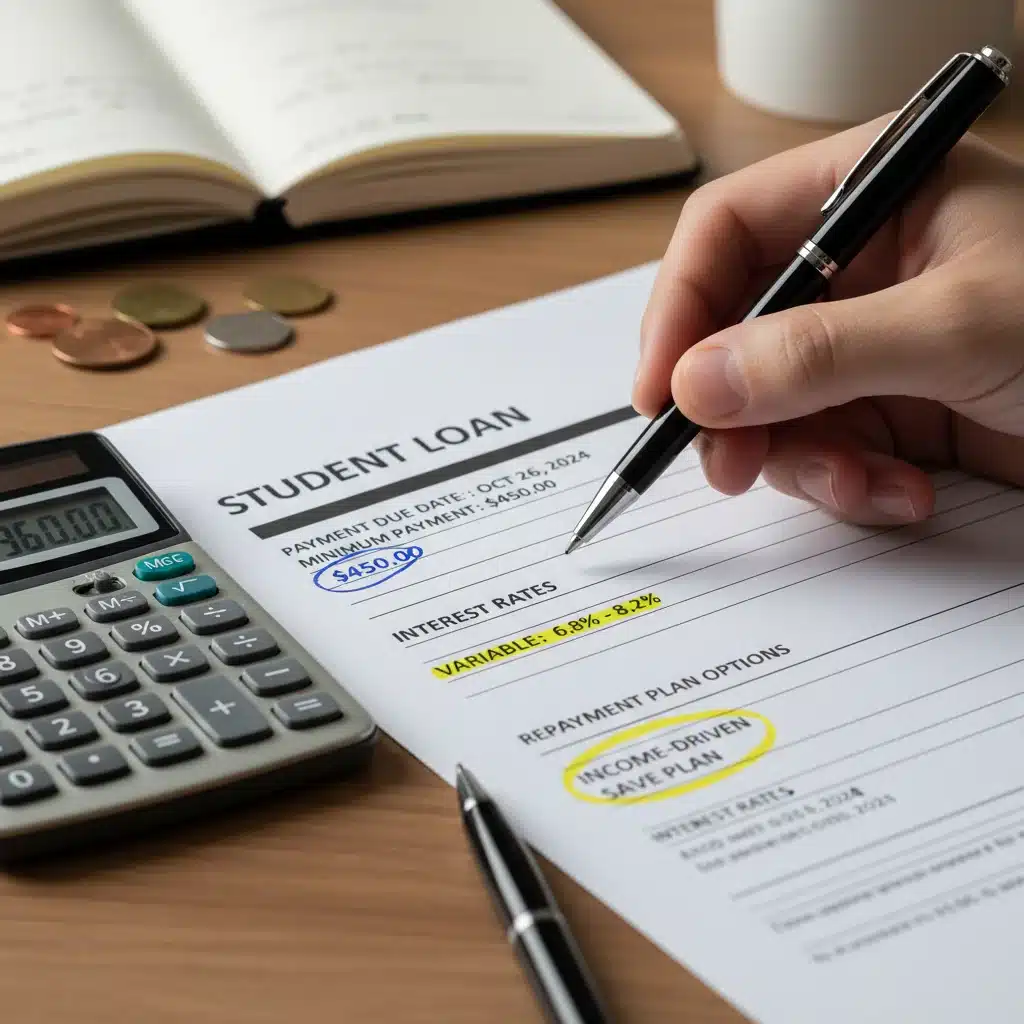
Interest rates play a significant role in the overall cost of a student loan, and while federal loan interest rates are typically set annually, understanding their impact and various repayment strategies is crucial for managing debt effectively. For 2025, borrowers should be mindful of how current economic trends might influence future rate adjustments and how best to strategize their payments.
Choosing the right repayment strategy goes beyond just making minimum payments. It involves understanding your financial goals, income stability, and tolerance for debt. With the variety of federal repayment plans available, selecting the most advantageous one can lead to substantial savings and a faster path to debt freedom.
Optimizing Your Repayment Plan
Beyond IDR, other federal repayment options offer different structures:
- Standard Repayment Plan: Fixed payments over 10 years, generally leading to the lowest overall cost.
- Graduated Repayment Plan: Payments start low and increase every two years, suitable for those expecting their income to rise.
- Extended Repayment Plan: Lower monthly payments over a longer period (up to 25 years) for borrowers with higher loan balances.
Each plan has its pros and cons, and the best choice depends on individual circumstances. It’s often beneficial to use the loan simulator tool on studentaid.gov to compare different plans and project total costs and repayment timelines. Regularly reviewing your plan, especially after significant life events like a job change or marriage, is a smart financial practice.
Moreover, understanding options like making extra payments or paying off the highest interest rate loans first can accelerate your repayment. Even small additional payments can significantly reduce the total interest paid over the life of the loan. Proactive management of interest is a cornerstone of effective student loan debt reduction.
Private Student Loans: What Borrowers Should Know for 2025
While federal student loan benefits receive significant attention, it’s equally important for borrowers with private student loans to understand their options and the distinct differences in repayment. Private loans do not typically offer the same federal protections, such as income-driven repayment plans or broad forgiveness programs. For 2025, the focus for private loan borrowers will largely remain on diligent communication with lenders and exploring refinancing opportunities.
The terms and conditions of private student loans are set by individual lenders, meaning there is less standardization compared to federal loans. This necessitates a more personalized approach to management, with a strong emphasis on understanding your specific loan agreements and the support systems offered by your lender.
Managing Private Loan Debt Effectively
For private student loan borrowers, effective management strategies for 2025 include:
- Refinancing: Exploring options to refinance private loans, especially if your credit score has improved or interest rates have dropped. This could lead to a lower interest rate and more favorable terms.
- Communication with Lenders: Proactively contacting your lender if you face financial hardship. Some lenders may offer temporary forbearance or modified payment plans, though these are not guaranteed.
- Budgeting and Extra Payments: Implementing a strict budget to free up funds for extra payments, thereby reducing the principal faster and saving on interest.
Refinancing can be a powerful tool, but it’s essential to compare offers from multiple lenders and understand any fees or changes to loan terms. Be cautious of extended repayment periods that might lower your monthly payment but increase the total interest paid over time. Always prioritize understanding the full implications of any refinancing decision.
Ultimately, managing private student loans requires a proactive and informed approach. Unlike federal loans, there’s no extensive government safety net, so borrowers must be their own advocates, leveraging market conditions and direct communication with their lenders to secure the best possible terms.
Preparing for 2025: Actionable Steps for All Borrowers
As 2025 approaches, taking proactive and informed steps is paramount for all student loan borrowers. Whether you hold federal or private loans, understanding your current situation and anticipating future changes will empower you to make the best financial decisions. This preparation involves reviewing your loan portfolio, understanding new policies, and potentially adjusting your repayment strategy to maximize benefits.
The goal is not just to react to changes but to actively leverage them to your advantage. By taking a few key steps now, you can ensure a smoother and more financially sound year ahead, potentially saving thousands of dollars and significantly reducing your overall debt burden.
Your 2025 Student Loan Checklist
Here are actionable steps every borrower should consider:
- Review Your Loan Details: Access your loan servicer’s portal and studentaid.gov to confirm your loan types, balances, and current repayment plan.
- Understand New IDR Rules: Familiarize yourself with the SAVE Plan and other IDR enhancements. Consider if switching plans could benefit you.
- Check PSLF Eligibility: If you work in public service, ensure your employment and payment history are accurately tracked for PSLF.
- Update Contact Information: Ensure your loan servicers and the Department of Education have your current contact details to receive important updates.
- Create a Financial Buffer: Build an emergency fund to handle unexpected expenses, reducing the likelihood of missing payments.
These steps provide a solid foundation for managing your student loans in the coming year. Remember, official government websites and your loan servicer are the most reliable sources of information. Be wary of third-party companies promising quick fixes or charging for services that are free through official channels.
By diligently following these recommendations, you position yourself to navigate the complexities of student loan repayment with confidence. Proactive engagement with your loans is the most effective way to secure your financial future and minimize the long-term impact of student debt.
| Key Update | Brief Description |
|---|---|
| SAVE Plan Enhancements | Lower monthly payments, no interest capitalization, faster forgiveness for smaller balances. |
| PSLF Program Refinements | Expanded eligibility, simplified processes, and counting of certain forbearance periods. |
| Targeted Forgiveness | Continued focus on Borrower Defense, TPD, and Closed School Discharges. |
| Private Loan Management | Emphasis on refinancing, direct lender communication, and careful budgeting. |
Frequently Asked Questions About 2025 Student Loan Benefits
The most significant change is the continued implementation and full effect of the SAVE Plan, offering lower monthly payments, preventing interest capitalization, and accelerating forgiveness for many. It is expected to be the most beneficial income-driven repayment option for federal loan borrowers.
To qualify for PSLF, you must work full-time for a qualifying non-profit or government employer and make 120 qualifying monthly payments under an eligible repayment plan. You should use the PSLF Help Tool on studentaid.gov to certify your employment and track your progress.
While targeted forgiveness programs like those for borrower defense or total and permanent disability are ongoing, broad-based student loan forgiveness initiatives for 2025 are still subject to legislative and judicial processes. Borrowers should rely on official government announcements for accurate information.
Private student loan borrowers should focus on exploring refinancing opportunities to potentially lower interest rates, maintaining open communication with their lenders for hardship options, and diligently budgeting to make extra payments whenever possible to reduce their overall debt burden.
The most accurate and up-to-date information regarding federal student loan repayment benefits for 2025 can be found on the official studentaid.gov website. This government portal provides comprehensive details on all programs, eligibility, and application processes.
Conclusion
The upcoming year 2025 brings a series of significant updates and enhancements to student loan repayment benefits, particularly within federal programs. From the comprehensive rollout of the SAVE Plan to ongoing refinements in Public Service Loan Forgiveness and various targeted discharge options, borrowers have more resources than ever to manage their debt. Staying informed, actively reviewing your loan status, and strategically choosing the best repayment plan are crucial steps. By taking proactive measures and utilizing the official tools and information available, borrowers can navigate the evolving landscape of student loan debt with greater confidence and work towards financial freedom.