Healthcare Reform: Medicare & Medicaid Changes 2025 Explained

Understanding the proposed changes to Medicare and Medicaid in 2025 is crucial for millions of Americans, as these reforms could significantly alter access to care and coverage benefits.
As we approach 2025, the landscape of American healthcare is poised for significant shifts. For millions of beneficiaries and stakeholders, understanding the proposed changes to Medicare Medicaid Changes 2025 is not merely academic; it is essential for navigating future healthcare access and financial planning. This article delves into the potential reforms, their implications, and what individuals and providers need to know.
The evolving landscape of healthcare policy
The United States healthcare system is a dynamic entity, constantly adapting to new challenges, technological advancements, and shifting political priorities. Reforms to Medicare and Medicaid are not uncommon, but the proposed changes for 2025 appear particularly comprehensive, aiming to address long-standing issues of cost, access, and quality. These discussions often involve a delicate balance between fiscal responsibility and ensuring adequate care for vulnerable populations.
Policy discussions around these programs are complex, involving numerous stakeholders from government agencies and healthcare providers to patient advocacy groups and pharmaceutical companies. The ultimate goal is to create a system that is sustainable, equitable, and effective for all Americans. However, achieving consensus on how to best implement these reforms remains a significant challenge.
Key drivers for reform
- Rising healthcare costs: The ever-increasing expenditure on healthcare services in the US is a primary motivator for reform, seeking ways to curb costs without compromising care.
- Aging population: With a growing number of seniors, Medicare faces increasing pressure, necessitating adjustments to its funding and benefit structure.
- Technological advancements: New medical technologies and treatments, while beneficial, often come with high price tags, influencing policy decisions.
- Health disparities: Efforts to reduce inequities in healthcare access and outcomes, particularly for low-income and underserved communities, are central to Medicaid reforms.
The decisions made regarding these reforms will have far-reaching consequences, impacting not just the beneficiaries of Medicare and Medicaid, but also the broader economy and the healthcare industry as a whole. Understanding the rationale behind these changes is the first step toward preparing for their implementation.
Proposed medicare changes for 2025
Medicare, the federal health insurance program for people aged 65 or older, certain younger people with disabilities, and people with End-Stage Renal Disease, is often at the forefront of healthcare reform discussions. The proposed changes for 2025 aim to improve its long-term solvency, enhance beneficiary access to specific services, and potentially streamline administrative processes.
One of the central themes in these proposals revolves around drug pricing and prescription drug coverage. High prescription drug costs have been a persistent concern for many seniors, and legislators are looking for ways to reduce out-of-pocket expenses for beneficiaries while encouraging innovation within the pharmaceutical industry. This could involve direct negotiation powers for Medicare or caps on annual out-of-pocket spending.
potential impact on part B and D
- Part B (Medical Insurance): Discussions include potential adjustments to premiums and deductibles, as well as expanding coverage for preventative services and mental health support.
- Part D (Prescription Drug Coverage): Reforms could introduce mechanisms to lower drug prices, such as allowing Medicare to negotiate drug costs directly with manufacturers, and restructuring the catastrophic coverage phase to reduce beneficiary burden.
- Medicare Advantage (Part C): There’s an ongoing debate about the role of private plans within Medicare, with proposals to either increase or decrease their incentives and oversight, impacting the choices available to beneficiaries.
These changes are designed to not only make Medicare more affordable but also to ensure that it remains a robust and reliable source of healthcare for future generations. The specifics of these proposals are still under negotiation, but their potential to reshape how seniors receive care is undeniable. Beneficiaries should closely monitor these developments to understand how their coverage might evolve.
Medicaid reform initiatives in 2025
Medicaid, the joint federal and state program that provides health coverage to low-income individuals and families, also faces significant proposed changes in 2025. These reforms often focus on improving efficiency, addressing social determinants of health, and ensuring equitable access to care across different states.
Many of the discussions around Medicaid reform center on state flexibility and the balance between federal oversight and state-specific needs. States often seek more autonomy in designing their Medicaid programs to better address the unique health challenges of their populations, while federal agencies aim to maintain a baseline level of benefits and protections for all beneficiaries nationwide.
Addressing social determinants of health
A growing recognition in healthcare policy is the profound impact of social determinants of health (SDOH) on overall well-being. These include factors like housing stability, food security, transportation, and access to education. Proposed Medicaid changes for 2025 are increasingly looking to integrate services that address these non-medical needs, recognizing their critical role in preventing illness and improving health outcomes.
For example, some proposals suggest allowing states to use Medicaid funds for services that go beyond traditional medical care, such as providing rental assistance for homeless individuals or nutritional support for those facing food insecurity. This holistic approach aims to create a more comprehensive and effective safety net for vulnerable populations.
- Enhanced care coordination: Initiatives to improve coordination between medical providers and social services, ensuring beneficiaries receive integrated support.
- Behavioral health integration: Increased focus on mental health and substance use disorder services, with proposals to expand access and improve treatment quality.
- Maternal and child health: Specific reforms targeting outcomes for pregnant individuals and young children, including extended postpartum coverage and early childhood development programs.
The proposed Medicaid reforms underscore a shift toward a more preventive and integrated model of care, acknowledging that health is influenced by a myriad of factors beyond clinical interventions. These changes could lead to significant improvements in the health and well-being of millions of low-income Americans.
Impact on beneficiaries and healthcare providers
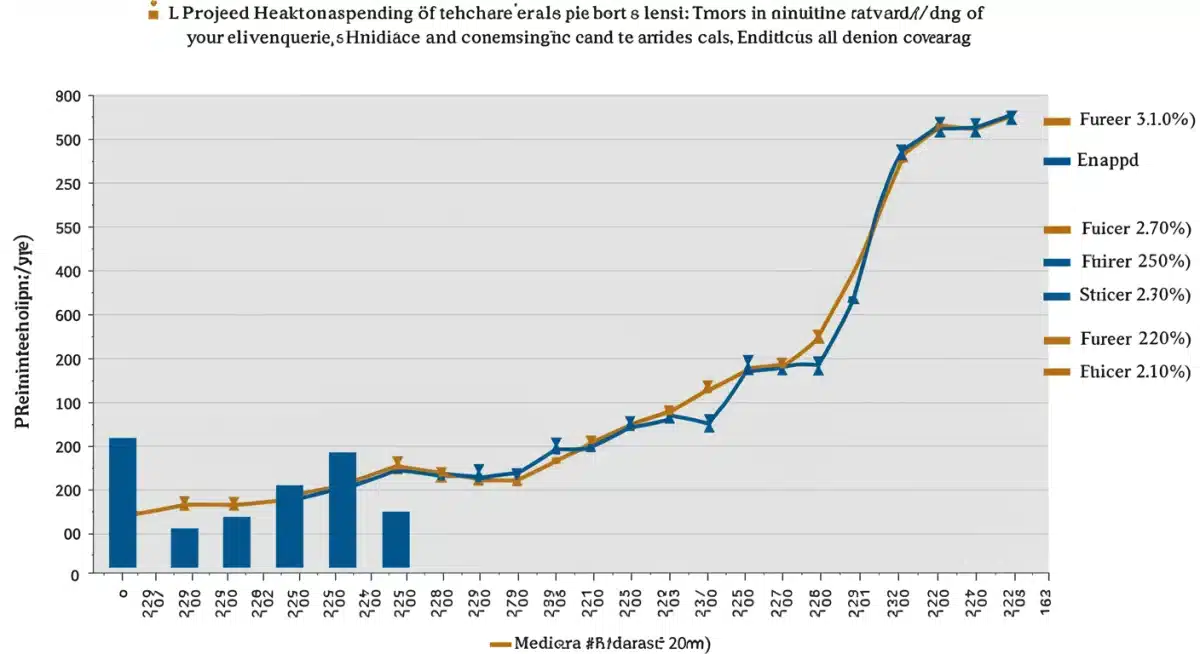
The proposed changes to Medicare and Medicaid in 2025 will undoubtedly have a profound impact on both beneficiaries and healthcare providers. For beneficiaries, these reforms could mean changes in their out-of-pocket costs, access to specific treatments, and the overall quality of care they receive. Providers, on the other hand, might face new reimbursement models, administrative requirements, and shifts in patient demographics.
Understanding these potential impacts is crucial for all stakeholders to adequately prepare. Beneficiaries may need to re-evaluate their insurance choices or financial planning, while providers might need to adapt their service delivery models and administrative practices to align with new regulations and incentives.
how beneficiaries might be affected
For Medicare beneficiaries, changes could include variations in prescription drug costs, adjustments to premiums for Part B, or expanded coverage for certain services. Those enrolled in Medicare Advantage plans might see new benefit offerings or changes in their network of providers. Medicaid beneficiaries could experience shifts in eligibility requirements, the scope of covered services, or the way they access social support programs.
It is paramount for individuals to stay informed through official channels and consult with trusted advisors to understand how these potential changes specifically apply to their unique circumstances. Proactive planning can help mitigate any adverse effects and ensure continued access to necessary care.
implications for healthcare providers
- Reimbursement models: Providers could see shifts towards value-based care models, where reimbursement is tied to patient outcomes rather than the volume of services. This incentivizes quality and efficiency.
- Administrative burden: New reporting requirements or changes in claims processing could increase administrative workload, requiring investment in new technologies or staff training.
- Service delivery: The emphasis on social determinants of health in Medicaid could encourage providers to forge stronger partnerships with community organizations and expand their services beyond traditional medical care.
The healthcare industry is expected to undergo significant transformations in response to these reforms. Providers will need to be agile and adaptive, focusing on patient-centered care while navigating evolving regulatory and financial landscapes. Collaboration and innovation will be key to thriving in this new environment.
The role of technology in healthcare reform
Technology is increasingly becoming an indispensable tool in driving healthcare reform, offering solutions to enhance efficiency, improve patient outcomes, and reduce costs. For the proposed changes to Medicare and Medicaid in 2025, technological advancements are expected to play a crucial role in implementation and effectiveness.
From advanced data analytics to telehealth services, technology provides avenues for more personalized care, better management of chronic conditions, and expanded access to medical expertise, especially in rural or underserved areas. The integration of digital health tools can also empower beneficiaries to take a more active role in managing their own health.
digital health and telehealth expansion
Telehealth, which saw a rapid expansion during the recent public health crisis, is likely to be a permanent fixture in healthcare delivery. Proposed reforms may codify and expand coverage for telehealth services under both Medicare and Medicaid, making virtual consultations and remote monitoring more accessible and reimbursable.
This expansion has the potential to significantly improve access to care, particularly for individuals with mobility issues, those living in remote locations, or those who find it challenging to take time off for in-person appointments. It also offers a cost-effective alternative for certain types of medical care.
- Electronic health records (EHRs): Continued emphasis on interoperability and data sharing among EHR systems to improve care coordination and reduce medical errors.
- Artificial intelligence (AI) and machine learning (ML): Application of AI/ML for predictive analytics, disease detection, and personalized treatment plans, optimizing resource allocation.
- Wearable devices and remote monitoring: Integration of personal health data from wearables into care plans, enabling proactive management of chronic diseases and preventative interventions.
The strategic adoption of technology within Medicare and Medicaid reforms can pave the way for a more efficient, accessible, and patient-centric healthcare system. However, ensuring equitable access to these technologies and addressing data privacy concerns will be critical for their successful implementation.
Navigating the political and economic implications
The proposed changes to Medicare and Medicaid in 2025 are not just policy decisions; they are deeply intertwined with political and economic considerations. Healthcare reform is a highly charged political issue, often reflecting differing ideologies on the role of government in healthcare, individual responsibility, and fiscal priorities.
Economically, these reforms have vast implications for federal and state budgets, the healthcare industry, and the financial well-being of millions of Americans. Decisions regarding funding, reimbursement rates, and benefit structures can significantly impact economic growth, employment, and market stability.
The legislative process and advocacy
The path to healthcare reform is often complex and involves extensive legislative debate, negotiation, and compromise. Various interest groups, including patient advocacy organizations, medical associations, and pharmaceutical companies, play a significant role in shaping the final outcomes through lobbying and public awareness campaigns. Understanding the legislative process is key to anticipating the direction of reforms.
Public opinion also plays a crucial role, with policymakers often sensitive to how proposed changes might affect their constituents. Grassroots movements and public discourse can influence the political will to enact or modify specific reform proposals.
- Budgetary impacts: Analysis of how proposed reforms will affect federal and state spending, potentially leading to deficit reduction or increased investment in health programs.
- Economic growth: Evaluation of the reforms’ effects on job creation within the healthcare sector, pharmaceutical innovation, and overall economic productivity.
- Public sentiment: Gauging public support or opposition to specific reform elements, which can influence the political feasibility of their implementation.
Ultimately, the successful implementation of Medicare and Medicaid reforms will depend on a delicate balance of political will, economic realities, and public acceptance. Stakeholders must remain engaged and informed throughout this process to ensure their voices are heard and their interests represented.
Preparing for the future of healthcare in 2025
As the potential changes to Medicare and Medicaid in 2025 draw closer, proactive preparation becomes paramount for beneficiaries, providers, and policymakers alike. The future of healthcare will likely be characterized by increased personalization, greater integration of technology, and a continued focus on value-based care.
For individuals, this means staying informed about their coverage options, understanding potential shifts in costs, and actively engaging with their healthcare providers. For providers, it involves adapting to new operational models, investing in modern technologies, and prioritizing patient-centered approaches.
strategies for adaptation
Beneficiaries should regularly review their Medicare or Medicaid plans, attend informational sessions, and consult with independent advisors to understand how proposed changes might affect their specific health needs and financial situation. Comparing plan options and understanding eligibility criteria will be more important than ever.
Healthcare providers should invest in training their staff on new regulations and technologies, explore partnerships with community organizations to address social determinants of health, and develop robust data analytics capabilities to measure outcomes and demonstrate value. Flexibility and a willingness to innovate will be critical for success in this evolving landscape.
- Continuous education: Staying abreast of policy updates, legislative changes, and emerging healthcare trends for both beneficiaries and providers.
- Financial planning: Adjusting personal budgets and healthcare spending strategies in anticipation of potential changes to premiums, deductibles, and covered services.
- Advocacy and engagement: Participating in public forums, contacting elected officials, and supporting advocacy groups to influence the direction of healthcare policy.
The journey towards a reformed healthcare system is ongoing, and the proposed changes for 2025 represent a significant milestone. By embracing change, fostering collaboration, and prioritizing the well-being of all Americans, we can collectively work towards a more resilient, equitable, and effective healthcare future.
| Key Point | Brief Description |
|---|---|
| Medicare Drug Pricing | Proposals aim to lower prescription drug costs for seniors, possibly through direct negotiation or caps on out-of-pocket spending. |
| Medicaid SDOH Focus | Medicaid reforms increasingly integrate services addressing social determinants of health like housing and food security. |
| Telehealth Expansion | Expect expanded coverage and reimbursement for telehealth services under both Medicare and Medicaid. |
| Provider Reimbursement | Shift towards value-based care models, linking provider payments to patient outcomes and quality of care. |
Frequently asked questions about 2025 healthcare reforms
The primary goals for Medicare changes in 2025 include enhancing the program’s financial stability, reducing prescription drug costs for beneficiaries, and expanding access to essential services like preventive care and mental health support. These reforms aim to modernize Medicare and ensure its long-term viability for an aging population.
Medicaid reforms in 2025 could introduce variations in eligibility requirements, as states may gain more flexibility in tailoring their programs. While the core mission remains coverage for low-income individuals, specific income thresholds or asset limits might be adjusted, making it crucial for beneficiaries to check state-specific guidelines.
Yes, it is highly anticipated that telehealth services will continue to be covered and potentially expanded under both Medicare and Medicaid in 2025. Policymakers recognize the value of virtual care in improving access and convenience, especially for remote areas and individuals with mobility challenges. Specific coverage details are still being finalized.
Social determinants of health (SDOH) are a central focus of 2025 Medicaid reforms. There’s a growing emphasis on integrating services that address non-medical factors like housing, food security, and transportation, recognizing their significant impact on overall health outcomes for low-income populations. This holistic approach aims for more effective care.
Healthcare providers can prepare by staying informed about evolving regulations, investing in technology for data analytics and telehealth, and adapting to potential shifts towards value-based care models. Training staff on new administrative requirements and exploring community partnerships to address SDOH will also be crucial for navigating the reformed landscape effectively.
Conclusion
The proposed changes to Medicare and Medicaid in 2025 represent a pivotal moment in American healthcare. These reforms, driven by a complex interplay of economic, social, and political factors, aim to enhance affordability, accessibility, and quality of care for millions of Americans. While the specifics are still being ironed out, the direction points towards a system that is more integrated, technologically advanced, and responsive to the holistic needs of beneficiaries. Staying informed, advocating for one’s interests, and proactively adapting will be key for navigating these significant shifts and ensuring a more robust healthcare future for all.