Financial Planning for 2025: Safeguarding Assets with a 20% Emergency Fund
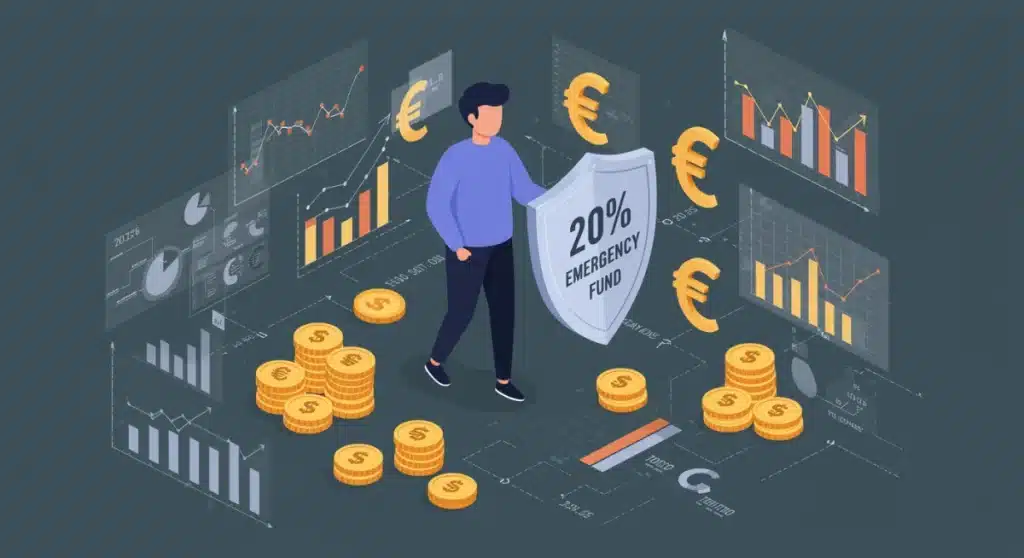
Building a 20% emergency fund is crucial for effective financial planning for 2025, offering a vital buffer to protect assets against unforeseen economic shifts and market volatility.
As we approach 2025, the economic landscape continues to evolve, presenting both opportunities and challenges for individuals and families across the United States. Proactive financial planning for 2025 is not merely an option but a necessity, particularly when considering the dynamic nature of global and domestic markets. A key component of this preparedness is establishing a robust emergency fund, specifically targeting a 20% allocation of your total assets to fortify your financial resilience against unexpected economic shifts.
Understanding the 2025 Economic Outlook
The year 2025 is anticipated to bring a mixture of economic trends that demand careful attention from consumers and investors. While some sectors may experience growth, others could face headwinds from inflation, interest rate fluctuations, and geopolitical events. Understanding these potential shifts is the first step in crafting a financial strategy that not only survives but thrives.
Forecasting the economy is never an exact science, but experts point to several indicators that could shape the financial environment. These include ongoing supply chain adjustments, evolving consumer spending habits, and the potential for new regulatory frameworks. Being informed about these broader economic forces allows for more informed decision-making regarding personal finances and investment strategies.
Key Economic Indicators to Watch
- Inflation Rates: Persistent inflation can erode purchasing power and savings, making it vital to adjust spending and investment strategies accordingly.
- Interest Rates: Changes in interest rates impact everything from mortgage payments to the cost of borrowing, influencing both consumer debt and investment returns.
- Employment Figures: A strong labor market generally signals economic health, but shifts in employment can affect job security and income stability.
- Geopolitical Developments: Global events can have far-reaching effects on energy prices, trade, and overall market sentiment, underscoring the need for financial adaptability.
Staying abreast of these factors will empower you to make timely adjustments to your financial plan, ensuring that your assets are protected and positioned for growth. The unpredictable nature of these elements highlights the critical role of a well-funded emergency reserve.
The Critical Role of an Emergency Fund
An emergency fund is often described as the bedrock of sound financial planning, and its importance cannot be overstated, especially when preparing for potential economic volatility in 2025. This dedicated savings pool serves as a financial safety net, designed to cover unexpected expenses without forcing you into debt or liquidating long-term investments at an inopportune time. Think of it as your personal financial shock absorber.
Many financial advisors traditionally recommend having three to six months’ worth of essential living expenses saved. However, in an increasingly uncertain economic climate, a more robust approach is warranted. Aiming for a 20% emergency fund, calculated as a percentage of your total assets, provides a significantly stronger buffer. This higher percentage offers greater peace of mind and flexibility when faced with major life events or widespread economic downturns.
Why 20% of Assets?
- Enhanced Security: A larger fund provides more comprehensive coverage for significant emergencies like job loss, major medical bills, or extensive home repairs.
- Investment Protection: Prevents the forced sale of investments during market lows, preserving your long-term growth potential.
- Reduced Stress: Knowing you have a substantial financial cushion reduces anxiety during times of economic uncertainty.
- Flexibility: Offers more options for navigating financial challenges without compromising your overall financial health.
The transition to a 20% benchmark reflects a more conservative, yet highly effective, strategy for asset protection in an era of rapid economic change. It moves beyond merely covering basic expenses to actively safeguarding your accumulated wealth.
Building Your 20% Emergency Fund: A Step-by-Step Guide
Achieving a 20% emergency fund might seem daunting, but with a structured approach, it is an attainable goal. The journey begins with a clear understanding of your current financial situation and a commitment to consistent saving. Breaking down the process into manageable steps can make the objective less overwhelming and more achievable.
First, assess your total assets, including savings, investments, and any other liquid assets. This will give you a clear target amount for your 20% fund. Next, evaluate your current income and expenses to identify areas where you can cut back or increase savings. Even small, consistent contributions can accumulate significantly over time.
Practical Strategies for Fund Accumulation
To effectively build your emergency fund, consider implementing these practical strategies:
- Automate Savings: Set up automatic transfers from your checking account to your dedicated emergency fund savings account each payday. This ‘set it and forget it’ method ensures consistent contributions.
- Cut Discretionary Spending: Temporarily reduce non-essential expenses like dining out, entertainment, or subscription services. Every dollar saved can be directed towards your fund.
- Boost Income: Explore opportunities to earn extra income through a side hustle, freelance work, or selling unused items. This additional cash can accelerate your savings.
- Windfalls Wisely: Allocate bonuses, tax refunds, or unexpected inheritances directly into your emergency fund rather than spending them.


Remember, this fund should be held in an easily accessible, liquid account, such as a high-yield savings account, separate from your everyday checking account. The goal is accessibility and safety, not high returns. Consistent effort and disciplined saving are the keys to successfully building this vital financial buffer.
Protecting Your Assets Beyond the Emergency Fund
While an emergency fund is a foundational element of sound financial planning, comprehensive asset protection for 2025 requires a multi-faceted approach. Beyond immediate liquidity, safeguarding your wealth involves strategic decisions related to investments, insurance, and estate planning. These layers of protection work in concert to shield your assets from various risks, both economic and personal.
Diversifying your investment portfolio is paramount. Relying too heavily on a single asset class or industry can expose you to significant risk during market fluctuations. Explore a mix of stocks, bonds, real estate, and potentially alternative investments, tailored to your risk tolerance and long-term goals. This diversification helps mitigate the impact of downturns in any one area.
Additional Asset Protection Strategies
Consider these proactive measures to further protect your assets:
- Adequate Insurance Coverage: Review your health, life, disability, home, and auto insurance policies. Ensure they provide sufficient coverage to prevent unforeseen events from draining your savings.
- Estate Planning: Establish a will, trusts, and powers of attorney to ensure your assets are distributed according to your wishes and to minimize potential legal complications and taxes.
- Debt Management: Prioritize paying down high-interest debt, as it can quickly erode your financial stability and limit your ability to save and invest.
- Regular Financial Reviews: Periodically review your financial plan, at least annually, to adjust for life changes, economic shifts, and evolving financial goals.
By integrating these strategies into your overall financial plan, you create a robust framework for asset protection that extends beyond the immediate liquidity offered by your emergency fund. This holistic approach ensures long-term financial security.
Navigating Market Volatility in 2025
The economic outlook for 2025 suggests that market volatility could remain a significant factor. Investors need to be prepared for potential ups and downs, understanding that knee-jerk reactions often lead to poor financial outcomes. A well-constructed financial plan, underpinned by a strong emergency fund, provides the stability needed to ride out these fluctuations.
Emotional investing is a common pitfall. When markets decline, the urge to sell assets to prevent further losses can be strong. However, history shows that recovery often follows downturns, and those who remain invested tend to benefit from the eventual rebound. Your emergency fund plays a crucial role here, as it removes the pressure to sell investments when their value is low to cover immediate needs.
Strategies for Volatile Markets
- Stay Diversified: As mentioned, a diversified portfolio is your best defense against market swings, spreading risk across different asset classes.
- Long-Term Perspective: Focus on your long-term financial goals rather than short-term market noise. Investment decisions should align with your overall strategy, not daily market movements.
- Rebalance Periodically: Review your portfolio periodically and rebalance it to maintain your desired asset allocation. This might involve selling some assets that have grown significantly and buying more of those that have lagged.
- Continue Investing: Consider dollar-cost averaging, where you invest a fixed amount regularly, regardless of market conditions. This strategy allows you to buy more shares when prices are low and fewer when prices are high.
Navigating market volatility successfully requires discipline, patience, and a solid financial foundation. Your emergency fund acts as a critical anchor, allowing your investment portfolio the necessary time to recover and grow.
Long-Term Financial Planning Beyond 2025
While the focus on 2025 is immediate, effective financial planning is an ongoing process that extends far into the future. Building a strong foundation now, particularly with a substantial emergency fund, sets the stage for achieving long-term financial goals, such as retirement, education savings, or significant purchases. A forward-looking perspective ensures that short-term adjustments align with your broader aspirations.
Regularly reviewing and updating your financial plan is essential. Life circumstances change, economic conditions evolve, and your goals may shift over time. What was appropriate for your finances five years ago might not be suitable for the next five. This continuous evaluation ensures your plan remains relevant and effective.
Key Components of Long-Term Planning
- Retirement Planning: Maximize contributions to retirement accounts like 401(k)s and IRAs. Consider consulting a financial advisor to create a comprehensive retirement strategy.
- Education Savings: If you have children, explore 529 plans or other education savings vehicles to fund their future academic pursuits.
- Estate Planning: Periodically review your will, trusts, and beneficiary designations to ensure they reflect your current wishes and family structure.
- Tax Efficiency: Strategize to minimize your tax burden through various investment vehicles, deductions, and credits. Tax planning is an integral part of wealth accumulation.
By integrating these long-term considerations with your immediate financial preparations for 2025, you create a dynamic and resilient financial framework. This holistic approach ensures that your assets are not only protected in the near term but also positioned for sustained growth and the achievement of your life’s most important financial milestones.
The Psychological Benefits of Financial Preparedness
Beyond the tangible financial security, robust financial planning for 2025, especially with a solid 20% emergency fund, offers significant psychological benefits. The peace of mind that comes from knowing you are prepared for unexpected events cannot be overstated. This mental tranquility allows you to focus on other aspects of your life without the constant worry of financial instability.
Financial stress is a leading cause of anxiety and can negatively impact physical health, relationships, and overall well-being. By proactively addressing potential financial challenges, you reduce this stress, fostering a greater sense of control and confidence. This preparedness empowers you to make decisions from a position of strength, rather than fear or desperation.
Impact on Daily Life
- Reduced Anxiety: Knowing you have a safety net diminishes worries about unforeseen expenses or job loss.
- Improved Decision-Making: Without urgent financial pressures, you can make more rational and strategic choices about your career, investments, and personal life.
- Greater Freedom: A strong financial foundation provides the freedom to pursue opportunities, take calculated risks, or even make career changes without severe financial repercussions.
- Enhanced Resilience: When economic downturns or personal crises occur, you are better equipped to handle them, minimizing their negative impact on your life.
Ultimately, the investment in your financial preparedness is an investment in your overall quality of life. The psychological dividends of a well-executed financial plan, centered around a robust emergency fund, are invaluable, providing a foundation for a more stable and fulfilling future.
| Key Aspect | Brief Description |
|---|---|
| 2025 Economic Outlook | Anticipate shifts in inflation, interest rates, and global events requiring proactive financial strategies. |
| 20% Emergency Fund | A robust safety net, 20% of total assets, protects against major financial shocks and unexpected expenses. |
| Asset Protection | Diversify investments, secure adequate insurance, and plan your estate to safeguard long-term wealth. |
| Navigating Volatility | Maintain a long-term perspective, diversify, and rebalance to effectively manage market fluctuations. |
Frequently Asked Questions About 2025 Financial Planning
A 20% emergency fund is recommended for 2025 due to anticipated economic volatility and potential shifts in inflation and interest rates. This larger buffer provides enhanced security, protecting a greater portion of your total assets against unforeseen events and market downturns, offering more comprehensive coverage than traditional recommendations.
Your emergency fund should be kept in a highly liquid, easily accessible account that offers some interest, such as a high-yield savings account. It’s crucial to keep it separate from your everyday checking account to avoid accidentally spending it and to ensure it’s available when truly needed.
Start by identifying small, non-essential expenses you can cut. Automate small transfers to your savings account, even if it’s just $10 or $20 per week. Consider a side hustle or selling unused items to generate extra cash. Every bit saved, no matter how small, contributes to your fund over time.
No, an emergency fund does not replace other investments. It serves a different purpose: providing immediate liquidity for unforeseen expenses. Retirement savings and other investments are for long-term growth and future goals. Both are crucial components of a comprehensive financial plan, working in conjunction to secure your financial future.
The biggest risks to financial planning in 2025 include persistent inflation eroding purchasing power, unpredictable interest rate changes impacting debt and investments, and potential geopolitical instability affecting global markets. These factors underscore the importance of flexibility, diversification, and a strong emergency fund to mitigate adverse effects.
Conclusion
As we look ahead to 2025, the imperative for diligent financial planning becomes clearer than ever. Establishing and maintaining a robust 20% emergency fund is not just a recommendation; it’s a strategic defense against the inevitable economic shifts and uncertainties. This proactive measure, combined with diversified investments, adequate insurance, and ongoing financial reviews, forms a comprehensive shield for your assets. By taking these steps, you not only protect your wealth but also cultivate a profound sense of financial peace, enabling you to navigate the future with confidence and resilience.