2025 Guide: Employee Assistance Programs & Mental Health Benefits

Employee Assistance Programs (EAPs) in 2025 are essential for providing confidential, accessible mental health benefits and a wide range of support services to employees, fostering a healthier and more productive workforce.
As the workplace continues to evolve, the importance of employee well-being has never been more pronounced. In 2025, understanding and utilizing The 2025 Guide to Employee Assistance Programs (EAPs): Accessing Mental Health Benefits is crucial for both employers and employees alike. These programs offer a lifeline, providing confidential support for a myriad of personal and work-related challenges, with a significant focus on mental health.
Understanding Employee Assistance Programs (EAPs) in 2025
Employee Assistance Programs, commonly known as EAPs, are employer-sponsored benefit programs designed to assist employees with personal and/or work-related problems that might adversely affect their job performance, health, and well-being. In 2025, EAPs have expanded significantly beyond their traditional scope, evolving into comprehensive well-being platforms. They offer confidential assessments, short-term counseling, referrals, and follow-up services for employees and their immediate family members.
The core philosophy behind EAPs is rooted in the understanding that personal issues, whether related to stress, anxiety, depression, substance abuse, or family matters, can directly impact an individual’s productivity and overall job satisfaction. By providing a readily accessible and confidential resource, employers aim to mitigate these impacts, fostering a healthier and more resilient workforce. This proactive approach not only benefits the individual but also contributes to a more positive and supportive organizational culture.
The Evolution of EAPs: Beyond Basic Counseling
Historically, EAPs primarily focused on crisis intervention and short-term counseling. However, the 2025 landscape reveals a much broader array of services, reflecting a holistic view of employee well-being. Modern EAPs integrate various support mechanisms, moving from reactive responses to proactive wellness promotion.
- Mental Health Support: Access to licensed therapists, psychologists, and psychiatrists for counseling and treatment.
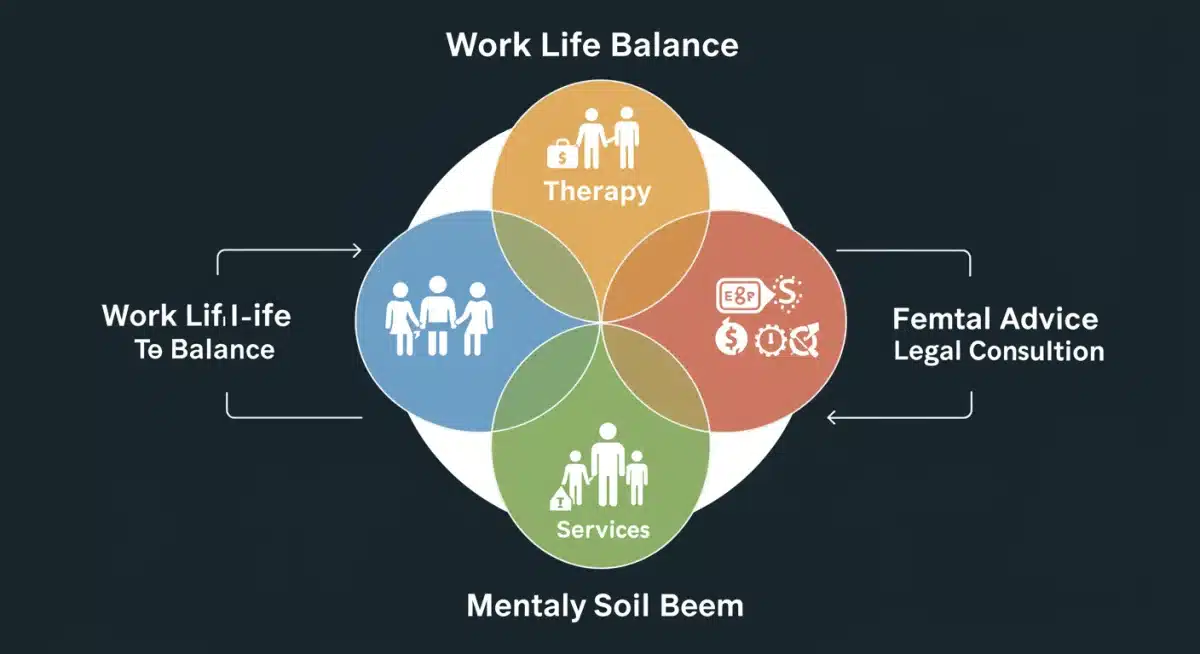
- Work-Life Balance Resources: Assistance with childcare, eldercare, legal advice, and financial planning.
- Substance Abuse Treatment: Confidential support and referrals for substance use disorders.
- Grief and Bereavement Counseling: Specialized support for employees experiencing loss.
The expansion of EAP services in 2025 signifies a mature understanding by organizations that employee well-being is multifaceted. It’s not just about addressing immediate problems but also about equipping employees with the tools and resources to maintain long-term health and resilience. This comprehensive approach is a cornerstone of effective talent management and retention strategies.
The Growing Importance of Mental Health Benefits in the Workplace
Mental health has emerged as a critical component of overall employee well-being, gaining unprecedented recognition in 2025. The stigma surrounding mental health issues is gradually diminishing, replaced by a greater emphasis on open dialogue and accessible support. Employers are increasingly recognizing that investing in mental health benefits through EAPs is not just a moral imperative but also a strategic business decision.
Untreated mental health conditions can lead to decreased productivity, increased absenteeism, higher healthcare costs, and a decline in employee morale. Conversely, workplaces that prioritize mental health report higher engagement, improved retention rates, and a more positive work environment. EAPs serve as a primary conduit for delivering these essential mental health benefits, making professional help more attainable for many.
Addressing the Stigma: EAPs as a Confidential Gateway
One of the most significant barriers to accessing mental health care is the lingering stigma associated with it. Employees may fear judgment from colleagues or supervisors, or worry about potential repercussions on their careers if they disclose mental health struggles. EAPs are specifically designed to counteract this by offering a strictly confidential service.
Confidentiality is a cornerstone of EAP effectiveness. Employees can seek help without their employer being informed of their specific issues, ensuring privacy and encouraging more individuals to utilize the services. This confidential gateway is vital for fostering trust and ensuring that employees feel safe and supported when reaching out for help.
- Privacy Assured: All consultations and records are kept confidential, separate from HR files.
- No Employer Notification: Employers are not informed about who uses the EAP or for what reason.
- Safe Space: Provides a judgment-free environment for discussing sensitive personal issues.
By guaranteeing confidentiality, EAPs empower employees to address their mental health concerns proactively, knowing their privacy is protected. This is fundamental to breaking down barriers and promoting a culture where seeking help for mental health is seen as a strength, not a weakness.
Key Mental Health Benefits Offered by EAPs in 2025
The mental health benefits provided by EAPs in 2025 are diverse and designed to address a wide spectrum of needs. From short-term counseling to specialized referrals, EAPs act as a central hub for mental well-being support. These benefits are critical for employees facing various life challenges, ensuring they have access to timely and professional assistance.
Beyond direct counseling, many EAPs now integrate digital tools and platforms, making mental health resources more accessible than ever. Telehealth options, mental wellness apps, and online self-help modules complement traditional in-person services, catering to different preferences and needs. This blend of traditional and digital resources enhances the reach and effectiveness of EAP mental health provisions.
Direct Counseling and Therapy Services
A primary component of EAP mental health benefits is access to direct counseling and therapy services. These typically include short-term, solution-focused therapy sessions with licensed mental health professionals. The number of sessions offered varies by program but is usually sufficient to address immediate concerns and develop coping strategies.
For issues requiring longer-term treatment, EAPs often provide referrals to external specialists and can help navigate insurance coverage. This seamless transition ensures that employees receive continuous care, even if their needs extend beyond the scope of short-term EAP support. The goal is always to connect employees with the most appropriate level of care.
- Short-Term Counseling: Focused sessions for immediate concerns like stress, anxiety, or relationship issues.
- Crisis Intervention: Immediate support for acute mental health emergencies.
- Referral Services: Guidance to connect with long-term therapists or specialists.
- Telehealth Options: Virtual counseling sessions for convenience and accessibility.
These direct services are invaluable, offering a first point of contact for employees struggling with mental health issues. The ease of access and confidential nature make EAP counseling a preferred option for many seeking help.
How to Access Your EAP Mental Health Benefits
Accessing your EAP mental health benefits is typically a straightforward process, designed to be as user-friendly and confidential as possible. The first step usually involves locating your employer’s EAP contact information, which can often be found through your human resources department, company intranet, or benefit guides. Many EAPs also have dedicated websites or apps.
Once you have the contact details, you can initiate contact via phone, email, or an online portal. A trained EAP professional will conduct an initial assessment to understand your needs and guide you to the most appropriate resources. This initial conversation is crucial for tailoring the support to your specific situation, ensuring you receive the most effective help.
It’s important to remember that EAP services are voluntary and confidential. You are in control of your journey, and the EAP is there to support you without judgment. Don’t hesitate to reach out if you feel you could benefit from their services; early intervention can often prevent issues from escalating.
Steps to Utilizing Your EAP
Navigating the process of accessing EAP services can seem daunting, but it’s designed to be simple and supportive. The key is understanding the steps involved and knowing what to expect during your first contact. Most EAPs prioritize ease of access to ensure employees can get help quickly when they need it most.
- Locate EAP Information: Check company intranet, HR portal, or benefits package.
- Initial Contact: Call the EAP helpline or access their online portal.
- Needs Assessment: A professional will discuss your concerns confidentially.
- Service Referral: You’ll be connected with appropriate counselors or resources.
- Follow-Up: EAPs often provide follow-up to ensure you received adequate support.
By following these steps, employees can effectively utilize their EAP for a wide range of mental health and personal challenges. The process is streamlined to remove barriers and encourage proactive engagement with available support systems.
Addressing Common Concerns and Misconceptions about EAPs
Despite the comprehensive support EAPs offer, several common concerns and misconceptions sometimes prevent employees from utilizing these valuable benefits. Addressing these directly is essential for maximizing the effectiveness of EAP mental health benefits and ensuring employees feel comfortable seeking help. One prevalent concern is the fear that using an EAP might negatively impact their standing at work or their career progression.
Another misconception is that EAPs are only for severe crises. While they do offer crisis intervention, EAPs are also designed for everyday stressors and early intervention, helping employees develop coping mechanisms before issues escalate. Understanding the full scope of services can encourage broader utilization.
Confidentiality and Privacy Assurances
The most significant concern for many employees is confidentiality. It is crucial to reiterate that EAP services are entirely confidential. Your employer will not be informed about your use of the EAP, the nature of your issues, or any details of your sessions. EAP providers operate independently and adhere to strict ethical and legal confidentiality guidelines.
This strict adherence to privacy is what makes EAPs a safe space for employees to discuss sensitive personal matters. The separation between EAP services and the employer’s HR department is a fundamental design principle, ensuring trust and encouraging honest engagement. Understanding this distinction can help alleviate fears and encourage more employees to take advantage of their EAP mental health benefits.
- Employer Separation: EAP providers are distinct from company management and HR.
- Legal Protections: EAP records are protected by privacy laws.
- No Impact on Employment: Using EAP services will not affect job security or promotions.
By dispelling these myths and reinforcing the robust confidentiality measures in place, employers can foster an environment where employees feel secure in accessing the vital support their EAP offers for their mental health and overall well-being.
The Future of EAPs: Trends and Innovations in 2025
The landscape of EAPs is continuously evolving, with 2025 heralding new trends and innovations aimed at making mental health benefits even more accessible and effective. Technology plays a pivotal role in this evolution, with advancements in AI, data analytics, and digital platforms transforming how EAPs deliver services. The focus is shifting towards more personalized, proactive, and preventative care models.
Expect to see a greater integration of EAPs with broader wellness initiatives, creating a seamless ecosystem of support for employees. This holistic approach recognizes the interconnectedness of physical, mental, and financial well-being, aiming to provide comprehensive resources that address all aspects of an employee’s health. The goal is to move beyond reactive solutions to foster a culture of sustained well-being.
Personalized Mental Health Support and AI Integration
One of the most exciting trends in 2025 is the move towards highly personalized mental health support. Leveraging AI and machine learning, EAPs can now offer tailored recommendations for resources, therapists, and self-help tools based on an individual’s specific needs and preferences. This level of customization enhances engagement and improves outcomes by connecting employees with the most relevant support.
Furthermore, AI-powered chatbots and virtual assistants are becoming common first points of contact, offering immediate support, guiding users through resources, and even providing basic cognitive behavioral therapy (CBT) exercises. These tools augment human counselors, extending the reach of EAP services and providing support round-the-clock.
- AI-Driven Referrals: Matching employees with the best-fit mental health professionals.
- Wearable Tech Integration: Monitoring stress levels and suggesting timely interventions.
- Gamified Wellness: Engaging employees with interactive mental health challenges and rewards.
- Predictive Analytics: Identifying at-risk individuals for proactive outreach.
These innovations are set to make EAP mental health benefits more responsive, efficient, and user-centric than ever before. The future of EAPs is bright, promising a more supportive and mentally healthy workforce.
| Key Aspect | Brief Description |
|---|---|
| EAP Definition | Employer-sponsored programs offering confidential support for personal and work-related issues, including mental health. |
| Mental Health Focus | EAPs provide crucial access to counseling, therapy, and resources to address various mental health challenges. |
| Confidentiality | Strict privacy ensures employees can seek help without employer notification, fostering trust and reducing stigma. |
| Access & Future | Easy access via phone/online, with future trends focusing on AI, personalization, and integrated wellness. |
Frequently Asked Questions about EAPs and Mental Health Benefits
An EAP is a free, confidential service provided by employers to help employees and their families with personal and work-related issues. It offers counseling, referrals, and resources for mental health, financial, legal, and work-life balance concerns, aiming to improve overall well-being and productivity.
Yes, EAP services are strictly confidential. EAP providers operate independently from your employer, meaning your employer will not be informed about your use of the program or the details of your discussions. This ensures a safe and private space for employees to seek help.
EAPs typically offer short-term counseling, crisis intervention, and referrals to long-term therapists or specialists. Many also provide resources for stress management, anxiety, depression, substance abuse, and grief, often incorporating telehealth options and digital wellness tools.
You can usually access your EAP by contacting your HR department for the program’s phone number or website. Once you make initial contact, an EAP professional will conduct a confidential assessment and connect you with appropriate services or resources based on your needs.
Absolutely. While mental health is a key focus, EAPs also offer support for a wide range of issues, including financial counseling, legal advice, childcare and eldercare resources, substance abuse support, and assistance with work-life balance challenges, providing holistic employee support.
Conclusion
The 2025 landscape underscores the indispensable role of Employee Assistance Programs in fostering a healthy and productive workforce. By offering confidential, accessible, and comprehensive mental health benefits, EAPs empower employees to navigate personal and professional challenges with greater resilience. As these programs continue to evolve with technological advancements and a more holistic approach to well-being, they remain a cornerstone of modern employee support. Employers who champion their EAPs and employees who utilize these vital resources contribute to a workplace culture where well-being is prioritized, ultimately benefiting individuals and organizations alike.